USDC is a stablecoin designed to maintain a value close to one US dollar. It is commonly used for cryptocurrency trading, digital payments, international transfers, decentralized finance, and business settlement.
Unlike Bitcoin or Ethereum, USDC is not mainly intended to increase in price. Its primary purpose is to provide a relatively stable digital asset that can move across blockchain networks.
However, stable does not mean risk-free. Users must still consider exchange security, smart contract failures, network mistakes, regulatory restrictions, and temporary changes in USDC’s market price.
What Is USDC and How Does It Work?
USDC is a digital dollar issued by Circle. It operates on public blockchains and can be stored in compatible wallets, transferred between users, or used in blockchain applications.
Circle states that eligible customers can redeem USDC for US dollars at a 1:1 rate. The company also states that USDC is fully backed by cash and highly liquid cash-equivalent assets, with reserve information published regularly. This design makes USDC useful as a payment and settlement asset. Users can transfer it without waiting for traditional banking hours, while developers can include it in smart contracts and financial applications.
USDC is still a digital asset rather than cash held in a personal bank account. Its use depends on blockchain networks, wallets, exchanges, and the policies of its issuer.
What Are the Main USDC Use Cases?
USDC has several uses for individuals, traders, developers, and businesses.
Crypto Trading and Portfolio Management
USDC is frequently used as a quote or settlement asset on cryptocurrency exchanges. A trader may sell a volatile cryptocurrency for USDC without immediately transferring funds back into a bank account.
USDC can also help users measure portfolio value in dollar terms or move funds between supported trading pairs. It does not protect a trader from losses caused by poor trading decisions, exchange failures, or temporary price changes.
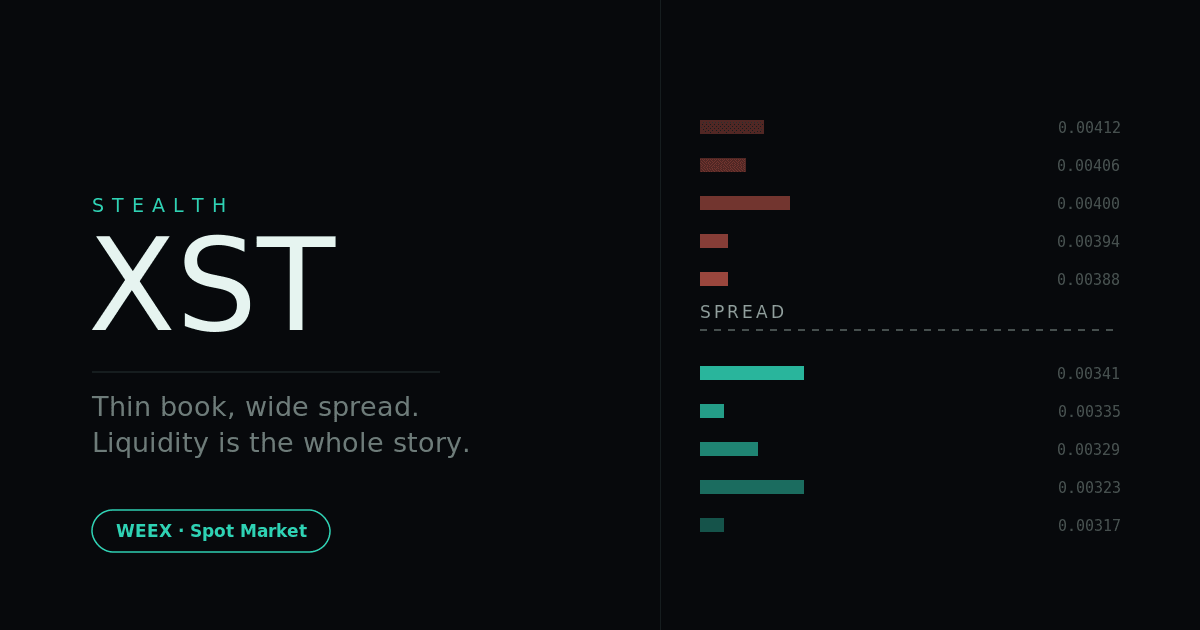
For example, users can access the USDC/USDT spot trading pair on WEEX. Before placing a trade, users should check the current order book, fees, platform rules, and regional availability rather than assuming that a stablecoin pair will always trade at exactly 1:1.
Digital Payments
USDC can be sent from one compatible wallet to another as payment for products, services, or freelance work.
Because blockchain networks can operate continuously, a payment may be submitted outside normal banking hours. The actual speed and cost depend on the selected network, wallet provider, and any compliance checks required by the service.
USDC may also be integrated into online platforms. For example, an application can automatically release a payment after a task is completed or after certain contract conditions are met.
Cross-Border Transfers
One of the most discussed USDC use cases is international money movement.
Traditional cross-border payments may involve several banks, currency conversions, and settlement delays. A USDC transfer can move across a supported blockchain without passing through every stage of the traditional correspondent banking process.
Circle promotes USDC as infrastructure for global payments and settlement. However, the recipient may still need a local exchange or payment provider to convert USDC into local currency. The complete process can therefore include conversion fees, withdrawal charges, identity checks, and local restrictions.
DeFi Lending and Liquidity
USDC is widely used in decentralized finance, or DeFi. Users may deposit it into a lending protocol, borrow another asset against it, or add it to a liquidity pool.
It is important to understand where the return comes from. USDC itself does not generate native staking rewards. Any yield usually comes from borrower interest, trading fees, token incentives, or a third-party platform.
This creates additional risks. A smart contract may contain a vulnerability, a lending market may face bad debt, or a liquidity pool may not allow users to withdraw at the expected price.
Business and Programmable Payments
Businesses may use USDC to pay international suppliers, move funds between company accounts, or settle transactions outside bank operating hours.
Developers can also connect USDC to software and smart contracts. This makes it possible to create subscription payments, escrow systems, usage-based billing, and automated payments between digital services. Circle’s developer documentation describes USDC integrations for payments, lending, trading, and cross-chain applications.
Companies still need to consider accounting, tax reporting, custody, cybersecurity, and local financial regulations.
Why Do People Use USDC?
USDC combines several features that are difficult to find in a single traditional payment method.
Its price is designed to remain close to the US dollar, which makes it easier to use for pricing and settlement than highly volatile cryptocurrencies. It can also move through supported blockchain networks at any time and interact with programmable applications.
USDC is available on many blockchain networks, but the same wallet address may not support every network. Users must confirm that both the sending and receiving services support the selected chain before transferring funds.
What Are the Key Risks of USDC?
Depegging Risk
Although USDC aims to trade close to one dollar, its market price can temporarily move above or below that level. This may happen during periods of market stress, low liquidity, or concern about reserve assets.
Issuer and Reserve Risk
USDC depends on Circle’s ability to manage reserves and process redemptions. Reserve disclosures improve transparency, but they do not remove banking, custody, operational, or liquidity risks.
Exchange and Custody Risk
When USDC is stored on a centralized exchange, the user depends on that platform to protect the assets and process withdrawals. An exchange account may also be affected by security incidents, technical problems, or compliance restrictions.
DeFi and Bridge Risk
Depositing USDC into a DeFi protocol introduces risks that are separate from USDC itself. These include smart contract bugs, oracle failures, liquidation, protocol governance decisions, and cyberattacks.
Moving assets through a third-party bridge may add another layer of technical and counterparty risk.
Transfer and Regulatory Risk
Blockchain transactions are usually difficult to reverse. Sending USDC to an incorrect address or unsupported network may result in permanent loss.
Circle’s terms also explain that addresses may be blocked in certain extraordinary or legally required circumstances. Digital asset balances are not automatically protected in the same way as insured bank deposits.
How to Use USDC More Safely
Before transferring USDC, confirm the wallet address and blockchain network. A small test transaction can help identify errors before a larger amount is sent.
Use strong account security and avoid sharing private keys, recovery phrases, passwords, or verification codes. When using an exchange, review its withdrawal rules and enable available security protections.
For DeFi, consider how the protocol generates returns rather than choosing a product only because it advertises a high APY. Smart contract audits can provide useful information, but they cannot guarantee that a protocol is safe.
Users should also avoid keeping all funds on one platform, blockchain, or application. Spreading exposure may reduce the effect of a single technical or operational failure.
USDC Compared With Other Payment Options
USDC is not automatically better than a bank transfer or another cryptocurrency. The most suitable option depends on the user’s location, payment purpose, risk tolerance, and access to reliable conversion services.
Conclusion
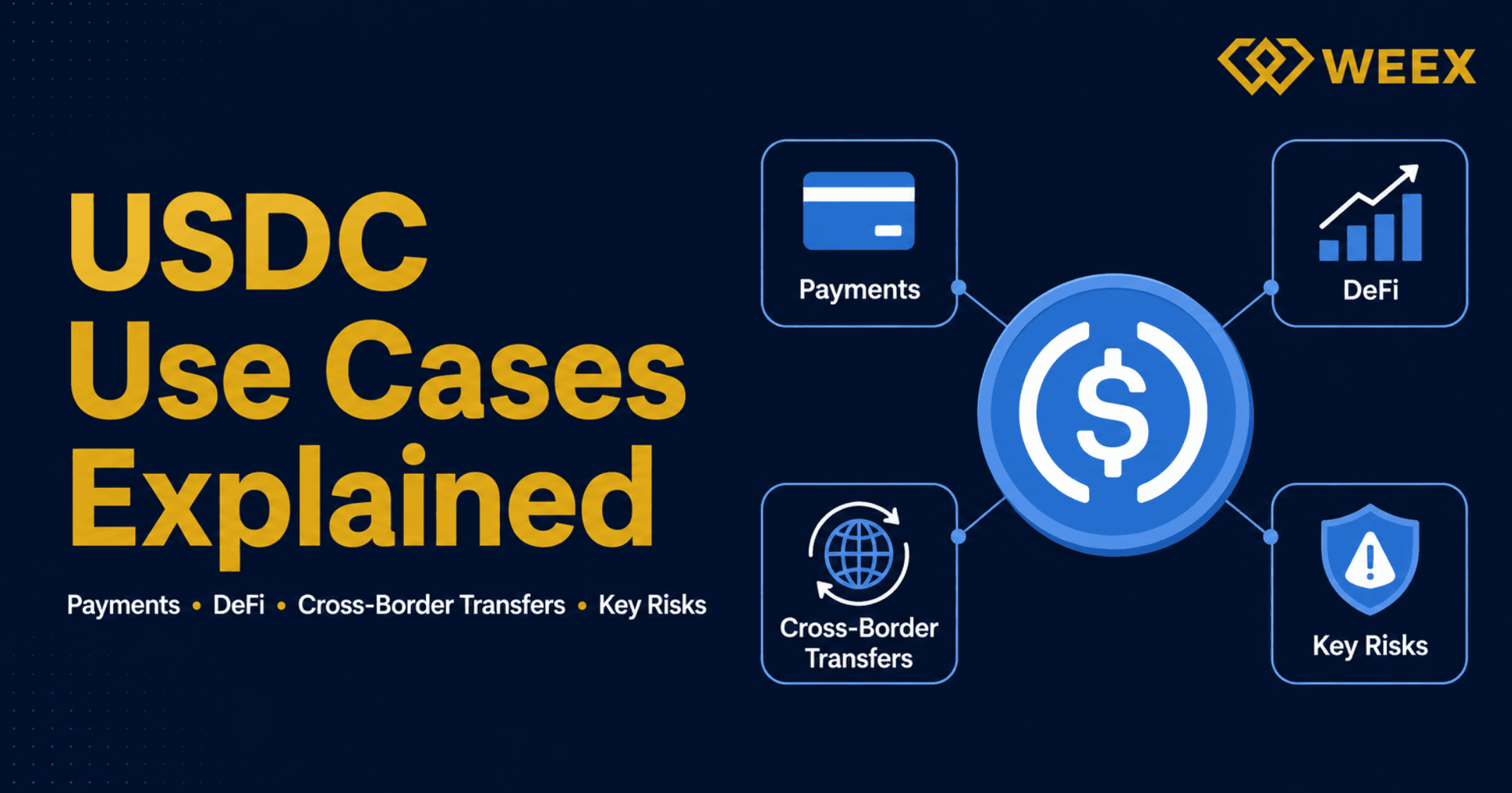
The main USDC use cases include cryptocurrency trading, digital payments, cross-border transfers, DeFi, business settlement, and automated payments.
Its relatively stable value and blockchain compatibility can make it useful for moving and managing digital dollars. At the same time, USDC remains exposed to issuer, exchange, technical, regulatory, and smart contract risks.
Beginners should understand both the stablecoin and the platform or protocol through which they use it. Checking the correct network, protecting account credentials, testing transfers, and avoiding unrealistic yield promises are essential steps before committing significant funds.


 Prefer us on Google