
User Guide: What Does HODL Mean?

 Prefer us on Google
If you’re new to cryptocurrency, you may have come across the term “HODL” and wondered what it stands for—is it technical jargon, an acronym, or perhaps insider slang? Surprisingly, it originated from a simple typo that has since become one of the most iconic expressions in the crypto community. This article explores the meaning and history behind HODL, explains why it’s embraced by investors, compares it to conventional investment strategies, and highlights why so many crypto enthusiasts proudly identify as “HODLers.” Whether you're just starting out or simply curious, this guide will give you a clear understanding of the mindset and culture behind HODLing.
What Does HODL Mean?
HODL is one of the most iconic terms in crypto space—and surprisingly, it began with a simple typing error. In 2013, amid a sharp market downturn, a Bitcoin investor meant to write “I am holding” in an online forum but accidentally typed “I am HODLing.” The mistake quickly went viral, resonating throughout the community, and eventually became a permanent part of crypto culture.
Today, HODL has evolved far beyond its typo origins. It now represents a strategy and philosophy of holding cryptocurrency through market volatility without selling, regardless of how sharply prices fluctuate. It embodies a long-term mindset: rather than attempting to time the market or react impulsively to downturns, HODLers maintain their positions in anticipation of future gains.
Some humorously claim that HODL stands for “Hold On for Dear Life”—and in many ways, that interpretation captures the spirit perfectly. Given the extreme volatility of crypto, where prices can swing more than 20% in a day, HODLing encourages discipline, emotional composure, and a steadfast belief in the long-term potential of digital assets.
The Origins of HODL
In 2013, Bitcoin experienced one of its signature extreme price swings, plummeting 39% in a single day. Amid the chaos, a user named GameKyuubi turned to the BitcoinTalk forum to express his frustration. In a now-legendary post typed under the influence of whiskey, he created a thread titled “I AM HODLING”—deliberately leaving the misspelling in place.
GameKyuubi’s opening lines read: “I type d that tyitle twice because I knew it was wrong the first time. Still wrong. w/e. GF's out at a lesbian bar, BTC crashing WHY AM I HOLDING? I'LL TELL YOU WHY. It's because I'm a bad trader and I KNOW I'M A BAD TRADER.” He made no effort to correct his errors, and almost overnight, the term “HODL” spread throughout the crypto community.
Beyond its humor and raw emotion, the post resonated deeply with countless investors. At its core, GameKyuubi’s message was simple: do not panic-sell during downturns. Instead, hold firmly onto your cryptocurrency and endure volatility.
What began as a drunken typo soon evolved into a foundational philosophy within crypto culture. “HODL” became both a strategy and a battle cry for those who believe that maintaining conviction and holding through market turbulence will ultimately lead to long-term gains.
The Lingo: Diamond Hands, Paper Hands, and More
In crypto culture, “diamond hands” refers to investors who hold firmly through market downturns, while “paper hands” describes those who sell quickly during volatility. These terms reflect the HODLing mindset—where resilience often defines long-term success.
-- Price
The Psychology Behind HODL
HODLing isn’t just a strategy—it’s a way to master your mindset in a market defined by uncertainty. Cryptocurrency moves fast, often swinging wildly in short periods. In such an environment, the real challenge isn't only volatility—it, it's controlling your emotional response to it.
Fear of Missing Out (FOMO) No one wants to sell just before a major rally. The anxiety of potentially missing out on significant gains compels many to hold through downturns, hoping prices will soon rebound—even during a slump.
Belief in Technology Many hold because they truly trust the long-term vision of the crypto they support. Whether it’s Bitcoin as a store of value or an innovative blockchain project, this conviction helps them stay steady when prices dip.
Avoiding Future Regret The thought of selling during a drop only to see prices soar later is a powerful motivator. Learning from past mistakes or others’ experiences, HODLers choose to hold to avoid that sinking feeling of selling too soon.
Self-Awareness of Trading Skill Not everyone is a skilled trader—and that’s perfectly fine. Many recognize they aren’t good at timing the market, so they opt out of frequent trading altogether. Often, this humble approach leads to better results than constantly buying and selling.
Emotional Calm Perhaps the most underrated benefit: HODLing can bring peace. Once you decide to hold for the long term, you free yourself from the stress of monitoring every price movement. You make a plan, stick to it, and wait—without second-guessing your choices.
Why is HODL So Important?
Cryptocurrency markets are famously volatile—prices can skyrocket one day and plunge the next. For newcomers, these swings can be overwhelming. That’s where HODLing steps in.
HODL isn’t just an internet joke; it’s a real strategy built around patience and long-term thinking. Instead of trying to time the market or react to every price movement, HODLers hold tight through turbulence. Even seasoned traders often misread the market, so sitting tight can be a smarter—and calmer—approach.
By adopting a HODL mindset, you accept that volatility is part of the game. You avoid panic selling during downturns and avoid getting swept up in hype during rallies. Many of crypto’s biggest success stories come from people who held through multiple crashes—not because they predicted every turn, but because they stayed committed. In a space dominated by noise and emotion, HODLing offers a disciplined path forward.
When Should You HODL?
HODLing is a long-term strategy that works best under the right conditions—not a one-size-fits-all approach. While the concept of “buy and don’t sell” sounds simple, its effectiveness depends heavily on your financial goals, risk tolerance, and belief in the assets you hold.
This approach makes the most sense when you strongly believe in a project’s future, can emotionally withstand major price swings, and are using funds you won’t need in the short term. It’s also ideal for those who prefer to avoid the stress of active trading or are still learning about the crypto markets. HODLing allows you to stay invested through volatility while focusing on real-world life rather than daily charts.
That said, HODLing requires discipline and a long-term perspective. It’s not a guaranteed path to quick profits—it’s a commitment to endure downturns and allow time for value to grow. While die-hard proponents say “always HODL,” the reality is that this strategy depends on your ability to hold calmly through uncertainty. If you have confidence in crypto’s future and the patience to wait, HODLing can be a powerful way to build wealth over time.
HODL vs. Traditional Investing
HODLing may seem like a high-stakes gamble compared to traditional buy-and-hold investing in stocks, but the core philosophy is actually quite similar. In both cases, investors purchase assets with the intention of holding them long-term, weathering market fluctuations in the belief that their value will appreciate over time.
The key difference lies in the level of volatility: cryptocurrency markets are far more unpredictable and prone to extreme swings than traditional equity markets. As a result, HODLing demands significantly greater emotional resilience and conviction to endure the intense ups and downs without deviating from the long-term strategy.
Conclusion
HODL began as a typo but has become a symbol of patience and conviction in the volatile world of cryptocurrency. For many, it’s a practical strategy that reduces the stress of timing the market and emphasizes long-term holding.
That said, no strategy fits everyone. The key is to know your goals, risk tolerance, and what you’re investing in. Crypto is exciting and often unpredictable—but with a calm mindset and a dose of HODL spirit, you’re better prepared for the journey.
So the next time prices swing, take a deep breath, enjoy your drink, and remember: sometimes, holding steady is the strongest move.
Further Reading
- 10 Terms Every Crypto Trader Should Know
- Master Cryptocurrency Trading Strategy: From Fundamentals to Spot Trading
- Bullish Candlestick Pattern
- What Is Technical Analysis?
Disclaimer: The opinions expressed in this article are for informational purposes only. This article does not constitute an endorsement of any of the products and services discussed or investment, financial, or trading advice. Qualified professionals should be consulted prior to making financial decisions.
This content is provided for general informational purposes only and doesn't constitute financial, investment, legal, or tax advice. Any events, rewards, online promotions, or related information mentioned herein should not be considered a recommendation, solicitation, or invitation to purchase, sell, trade, or otherwise deal in any crypto assets. Crypto assets are highly volatile and may result in loss. The availability of WEEX services, products, and related events may vary by region. You are responsible for ensuring that your participation is in accordance with applicable local laws and regulations.
You may also like
How to Convert ETH to USDT on WEEX: Step-by-Step Guide
How to Convert USDT to BTC on WEEX: Step-by-Step Guide
How to Convert BTC to USDT: A Step-by-Step WEEX Guide
BTC Funding Rate and Open Interest: What Each One Measures and How to Read Them Together
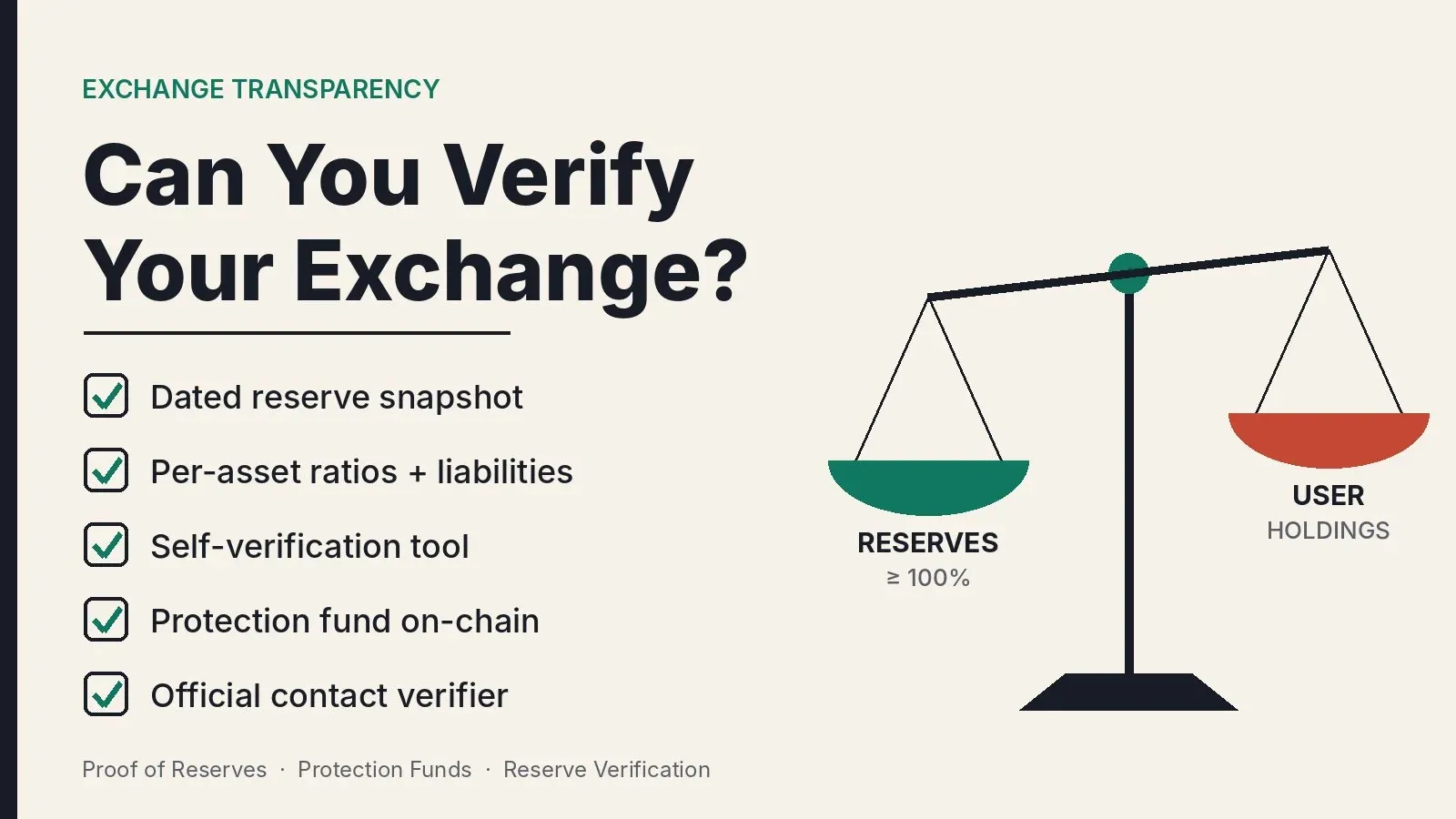
How Transparent Is a Crypto Exchange? Checking Proof of Reserves and Protection Funds
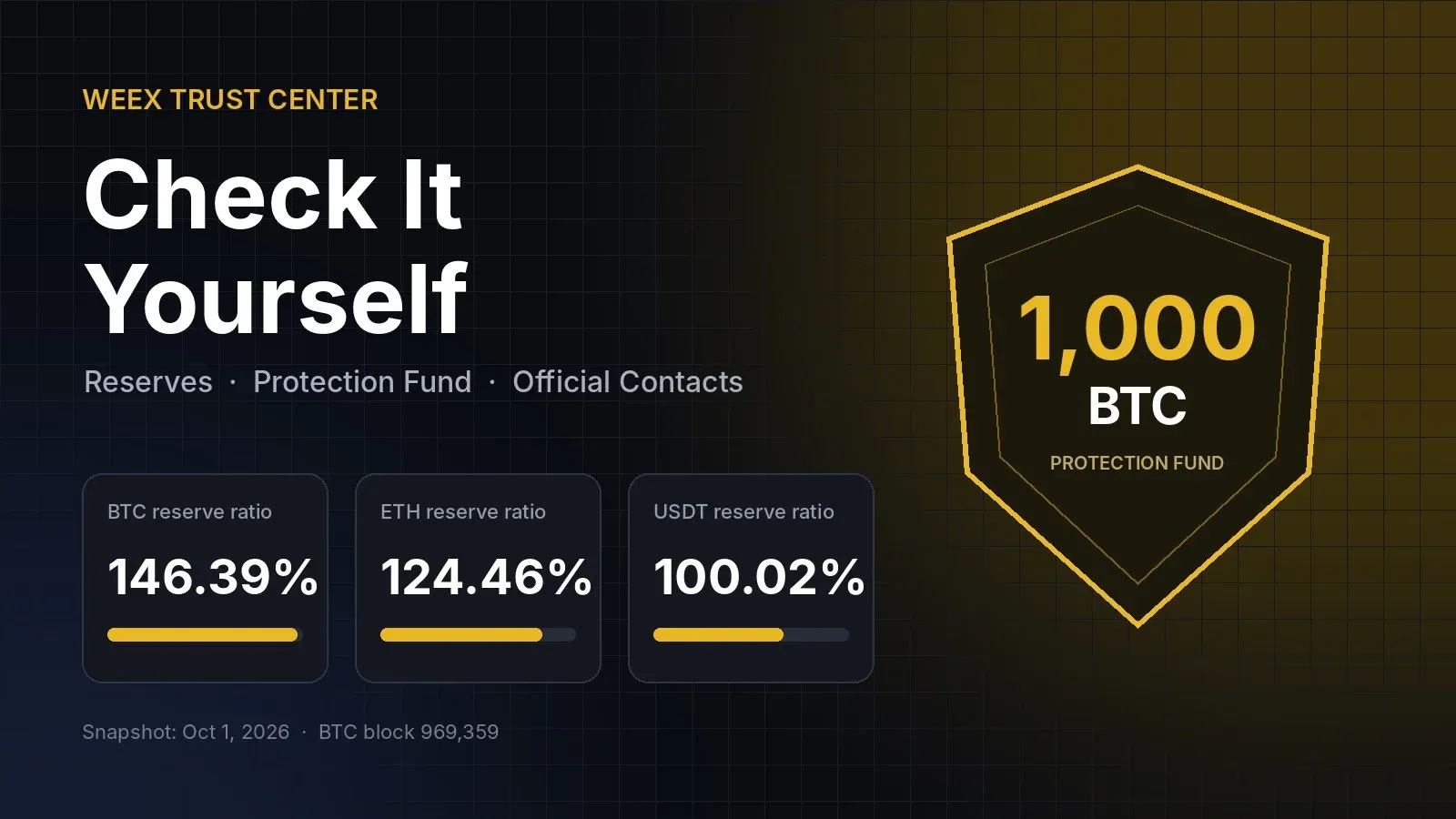
How to Use the WEEX Trust Center: Check Reserves, Protection Fund and Official Contacts
Crypto Leverage Trading Explained: How Perpetual Futures, Margin and Liquidation Work
Bitcoin Margin Trading: BTC Liquidation Math at 3x, 10x and 25x

Crypto Leverage Trading Platform: 6 Checks Before You Deposit
What Is Margin Trading? A $1,000 Example at 3x and 10x Leverage
How to Day Trade Crypto for Beginners: The Math Behind One Trade
Trading Psychology for Beginners: Crypto Traps and Hard Rules
What Is a Bitcoin ETF? How Creation, Custody and Fees Work

What Is Blockchain and How Does It Work? One Transaction, Traced
WEEX Convert Fees: What Zero-Fee Conversion Really Costs You
WEEX Convert Quote: How the 8-Second Price Lock Really Works
WEEX Convert Limits: Minimum and Maximum Amounts Explained
How to Check a WEEX Convert Order: History, Rate and Status
USDC Significant EMT Status in the EU: What Changes on November 12 Under MiCA
Walrus (WAL) Jumps 30%: Sui Storage Token Rallies on AI Data
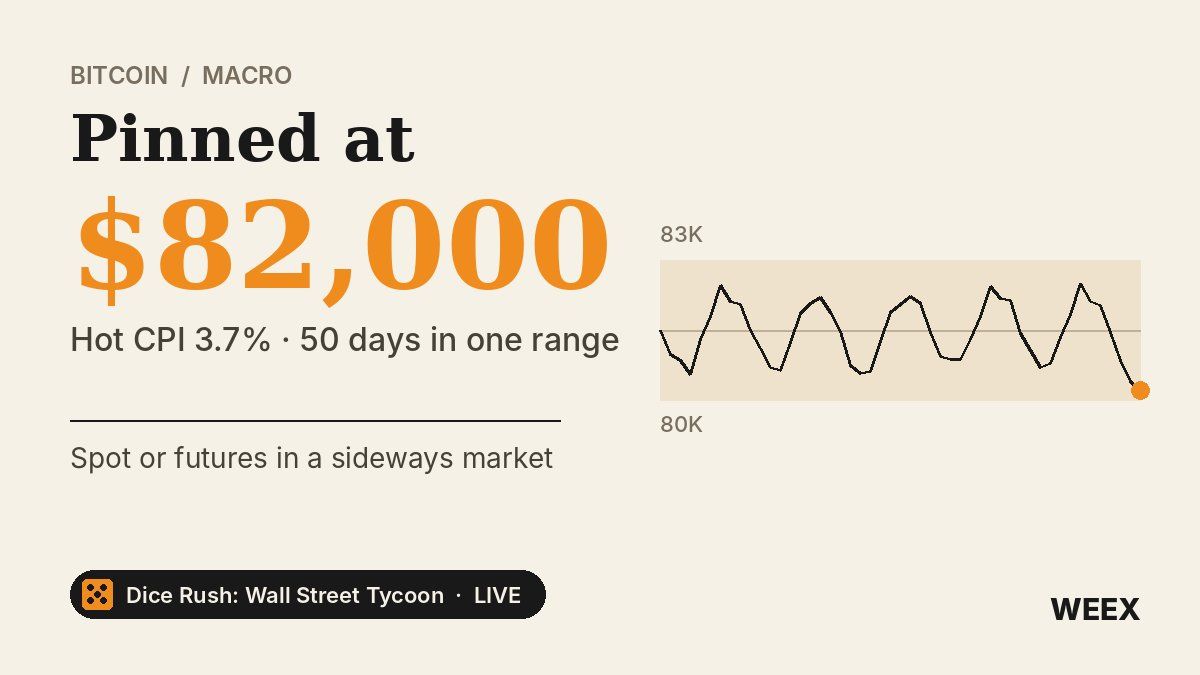
Bitcoin Price After Hot CPI: Why BTC Is Pinned Near $82,000
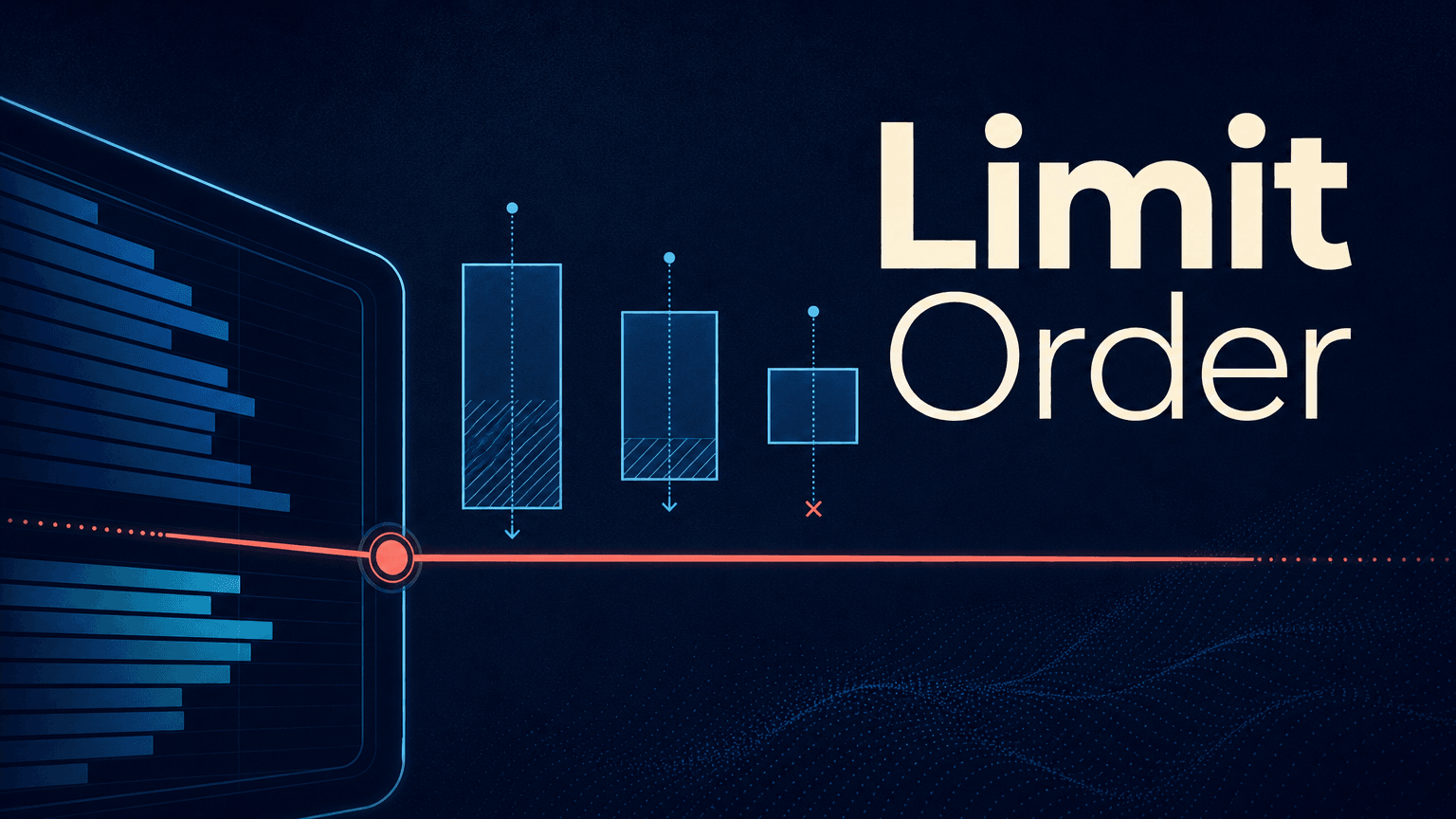
What Is a Limit Order? How It Works and When to Use It
Best Crypto Miner for Beginners: What to Check on Cost, Power, Hashprice and Profit Before You Buy
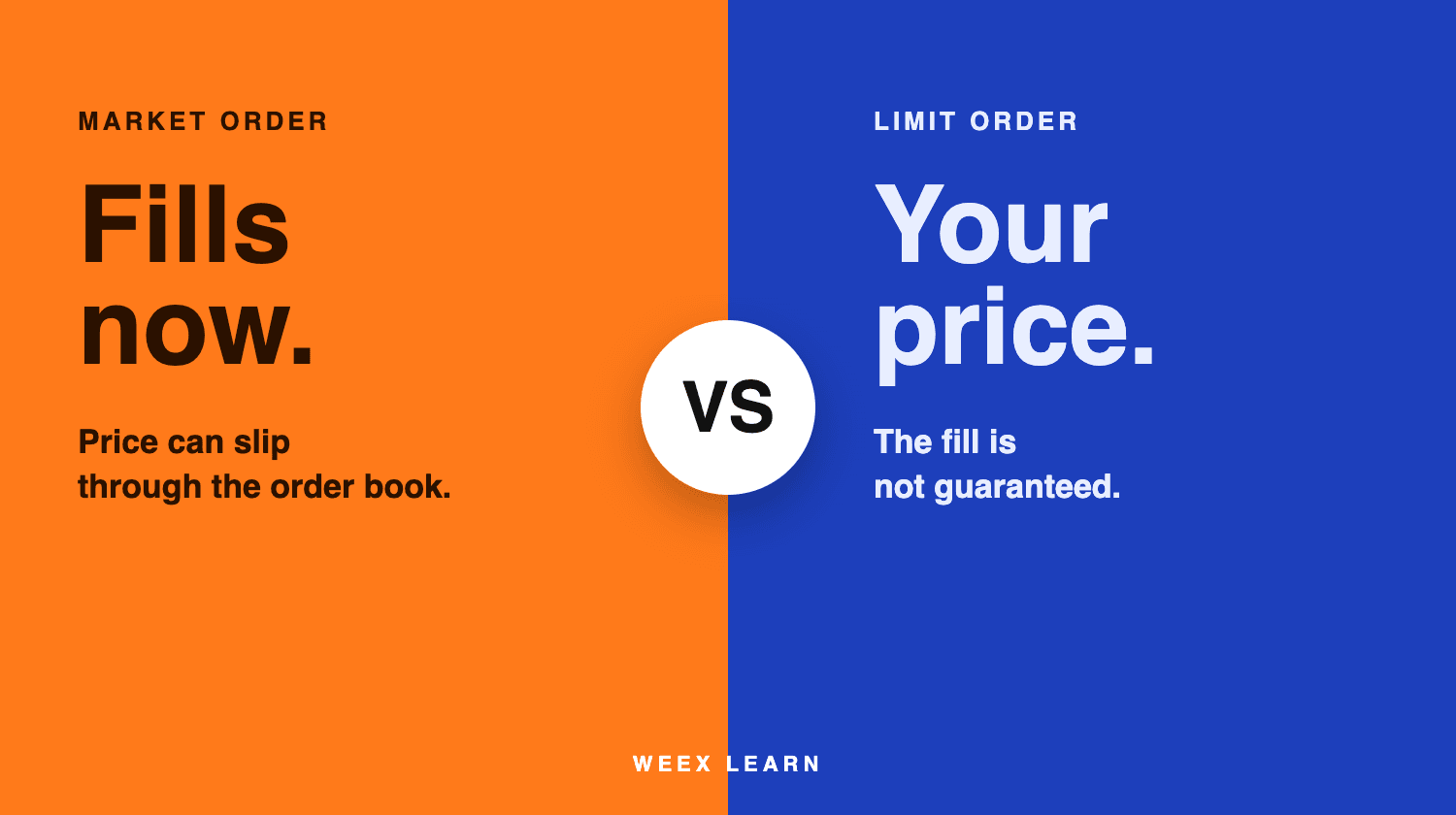
Limit Order vs Market Order: Which One to Use When Trading Crypto
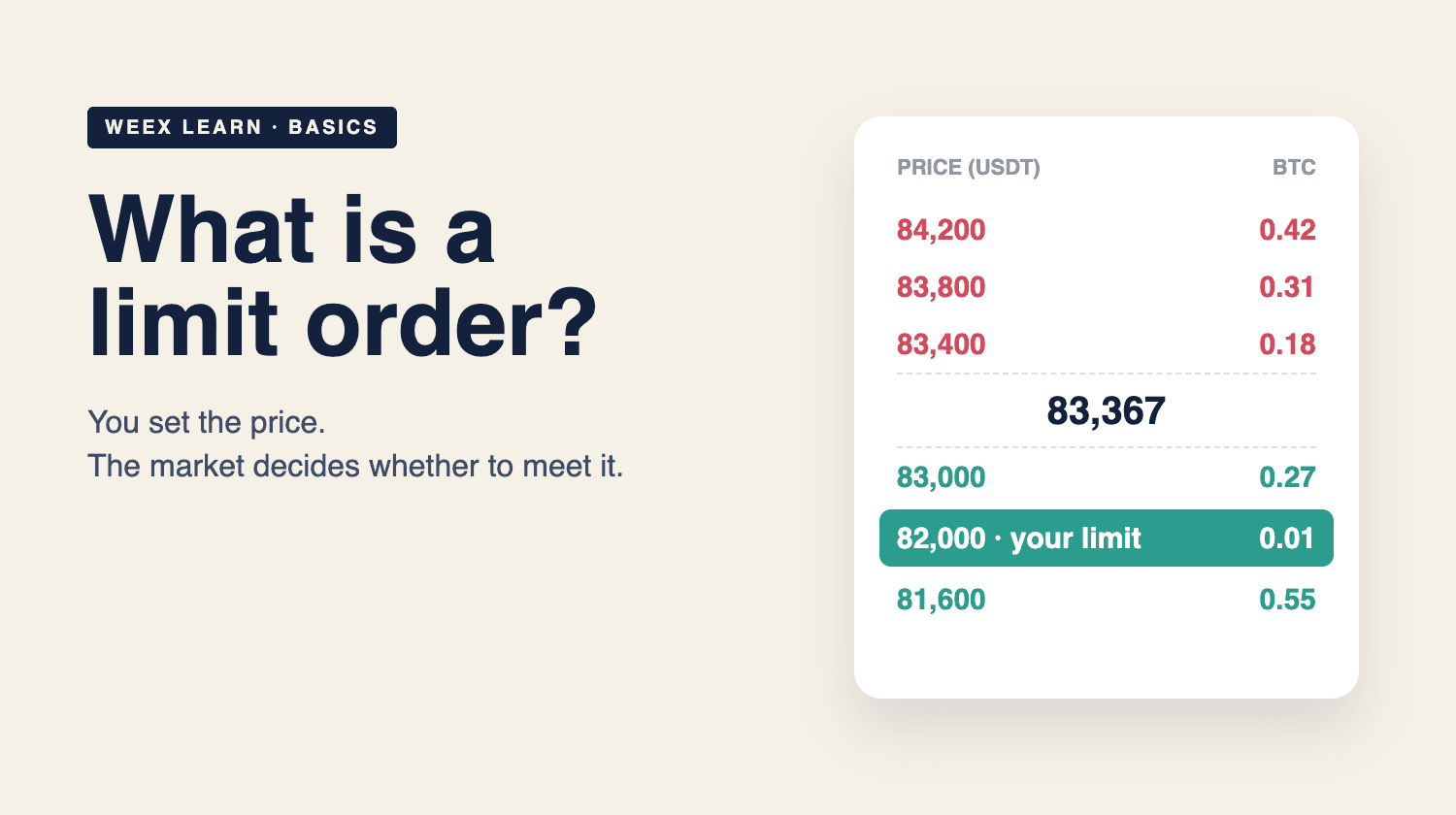
What Is a Limit Order? How It Works in Crypto With BTC Examples
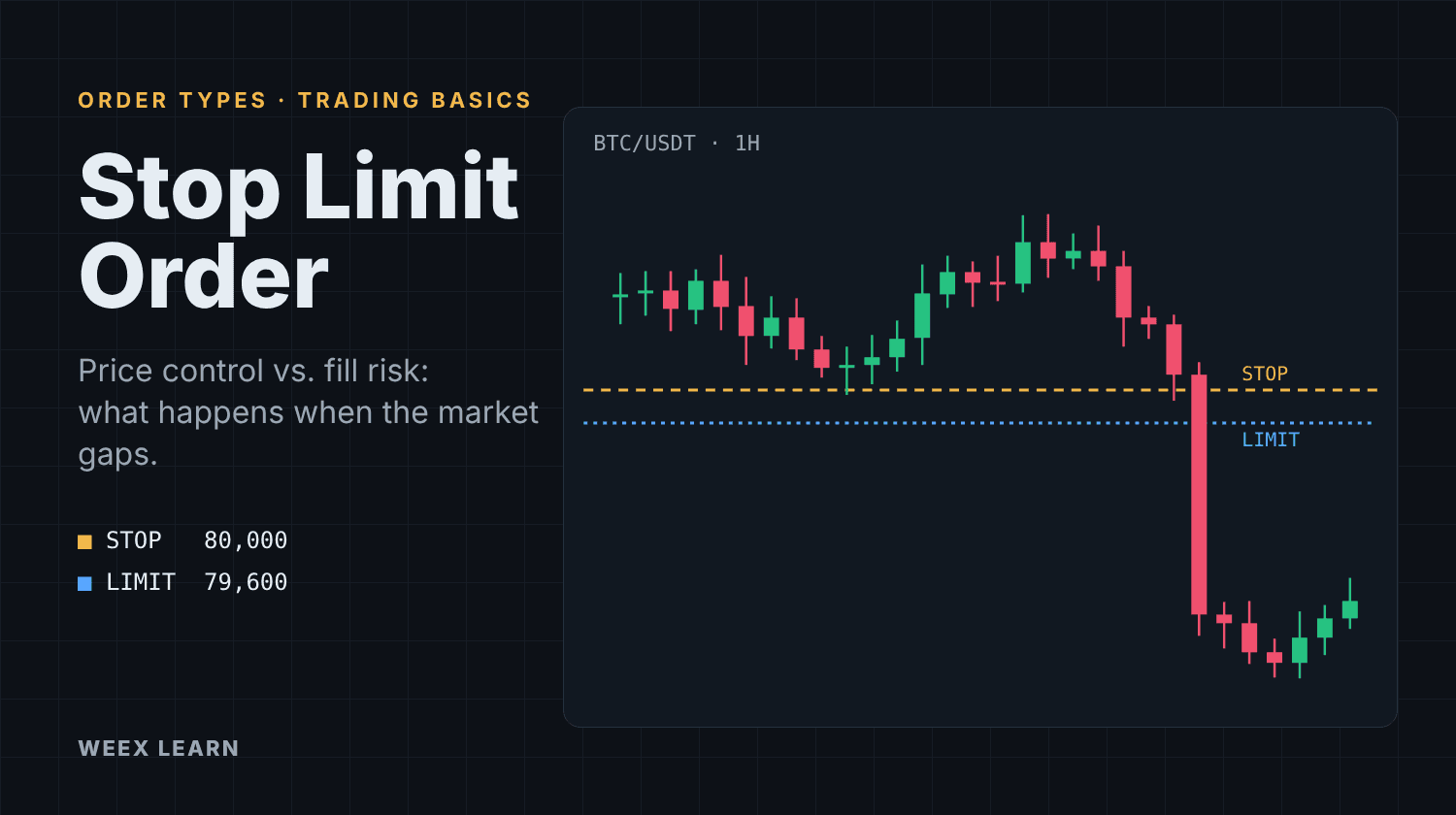
Stop Limit Order: How It Works and Why It Can Fail to Fill
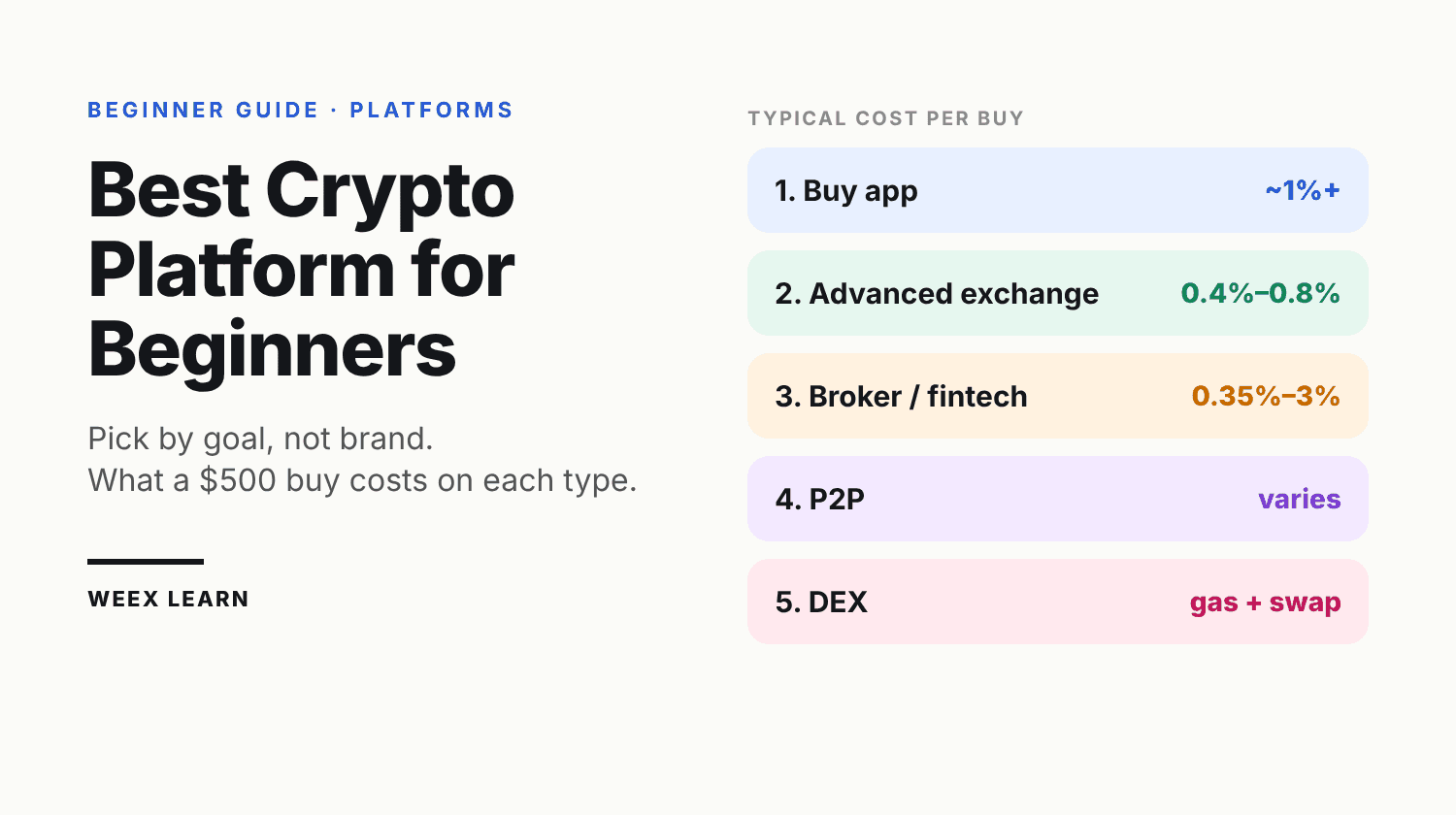
Best Crypto Platform for Beginners: Pick by Goal, Not Brand

Best Crypto Podcasts for Beginners: A 4-Week Listening Plan
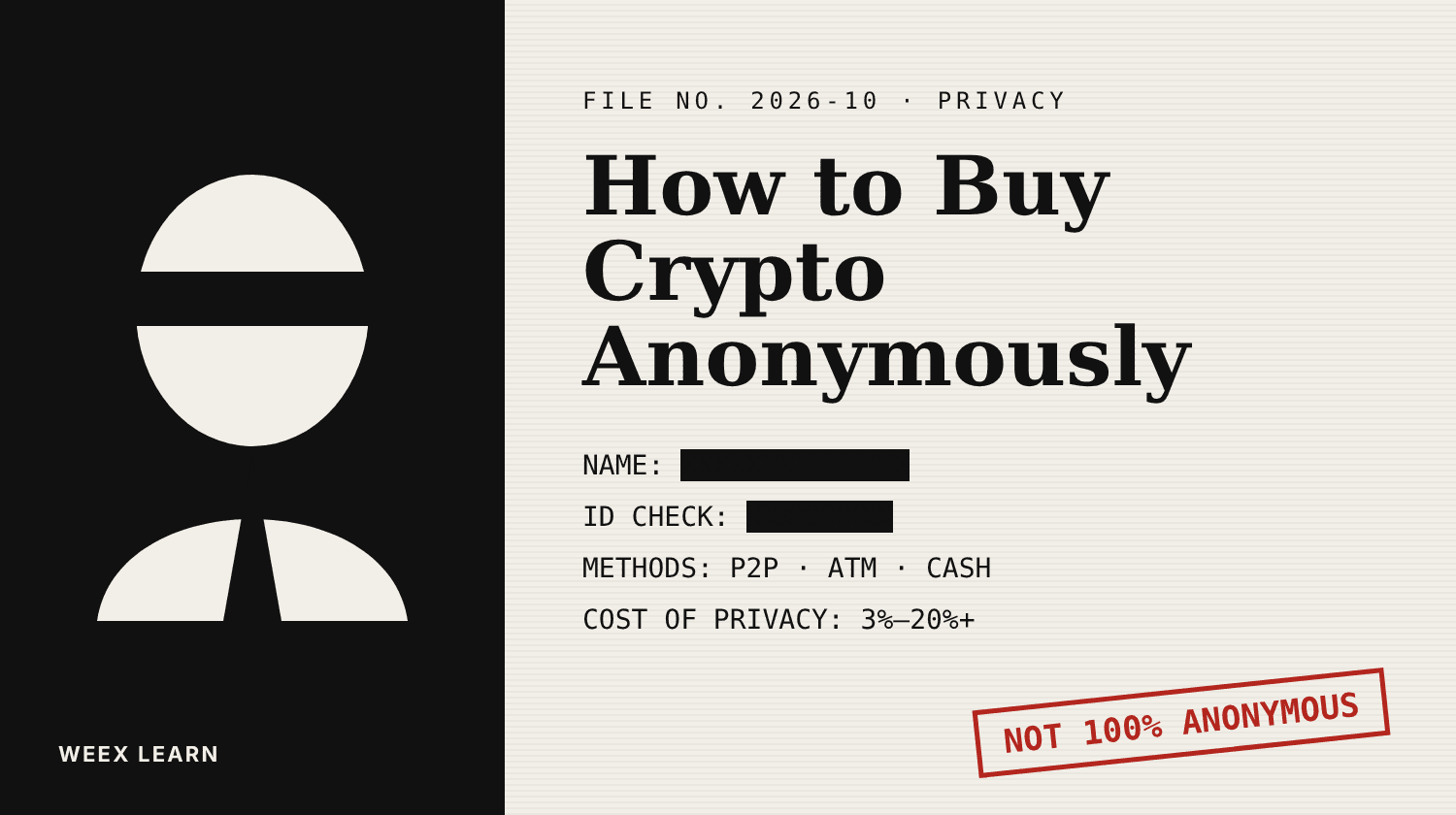
How to Buy Crypto Anonymously: 5 Methods, Real Costs and Limits
Will Bitcoin Break $87,000 This Week? CPI, Fed Speakers and ETF Outflows to Watch
How to Convert ETH to USDT on WEEX: Step-by-Step Guide
How to Convert USDT to BTC on WEEX: Step-by-Step Guide
How to Convert BTC to USDT: A Step-by-Step WEEX Guide
BTC Funding Rate and Open Interest: What Each One Measures and How to Read Them Together
How Transparent Is a Crypto Exchange? Checking Proof of Reserves and Protection Funds
How to Use the WEEX Trust Center: Check Reserves, Protection Fund and Official Contacts


