
WEEX Security Alert – SMS Spoofing

 Prefer us on Google

As smartphones grow increasingly central to both professional and personal use, they have also become a prime target for cybercriminals. Among the various threats, SMS-based phishing—or smishing—has emerged as a particularly deceptive risk due to the ubiquity of text messaging. This method often involves SMS spoofing, where attackers disguise their identity to trick users into sharing sensitive information or clicking malicious links.
What Is SMS Spoofing?
SMS spoofing is a form of cyber deception where attackers manipulate the sender’s phone number or ID to make messages appear as if they originate from a trusted contact or institution—such as a bank, friend, or government agency. When these spoofed messages arrive, smartphones often group them into existing conversation threads based on the forged sender details, heightening the illusion of legitimacy. Scammers exploit this disguise to persuade victims into sharing sensitive information, clicking malicious links, downloading harmful software, or authorizing fraudulent transactions, ultimately leading to financial loss or identity theft.
How SMS Spoofing works
- Fake Sender Identity: Attackers disguise the sender’s number or name to imitate trusted entities—such as Bitget, government agencies, or personal contacts—making the message appear highly credible.
- Disguised Intent: These messages are often designed as urgent security alerts, time-sensitive notifications, or critical updates to provoke quick action and reduce caution.
- Targeted Approach: Many scams mimic official communications from specific platforms—like cryptocurrency exchanges—to create confusion and increase the likelihood of user deception.
Common Scenarios
- Phishing Attacks: Trick users into clicking fraudulent links that direct them to fake websites designed to steal login credentials.
- Impersonation Scams: Pose as friends, official institutions, or customer support to fraudulently request money or sensitive information.
- Malware Distribution: Use disguised links or attachments in SMS to deliver malicious software and compromise the user’s device.
Underlying Principle
At its core, SMS spoofing relies on deception and psychological manipulation. By impersonating trusted sources, attackers exploit natural human tendencies—often employing social engineering tactics to provoke emotional responses and bypass rational judgment. Key strategies include:
- Trust Exploitation: Posing as legitimate entities (e.g., Bitget support, friends, or well-known figures) to leverage the inherent trust people place in familiar names and the perceived privacy of SMS.
- Contextual Relevance: Crafting messages that align with the user’s real-world context—such as fake withdrawal alerts or security notices—to reduce suspicion and enhance credibility.
- Emotional Manipulation: Using urgency, fear, or curiosity (e.g., “Act now!” or “Suspicious login detected”) to trigger impulsive actions like clicking links or sharing verification codes.
Technical Mechanisms
Sender ID Spoofing: Attackers use specialized tools or scripts to falsify the originating number or sender name displayed on the user’s device.
- VoIP Abuse: Utilizing Voice over Internet Protocol (VoIP) services to set arbitrary sender IDs, enabling spoofed messages—for example, mimicking Bitget’s official number—to appear within existing message threads.
- SMS Gateway Exploitation: Renting, hijacking, or conspiring with unscrupulous SMS gateway providers to send bulk fraudulent messages that imitate legitimate sources.
How to Secure Your WEEX Account
Enable Multiple 2FA Methods
Two-factor authentication (2FA) adds a critical layer of account protection by requiring two separate forms of identity verification. Combining methods such as email, SMS, Google Authenticator, or hardware security keys significantly enhances security and account resilience.
Set an Anti-Phishing Code
Once enabled, all official emails and SMS from WEEX (excluding verification codes) will include your personalized code. Messages without this code should be treated as suspicious.
Enable Withdrawal Address Confirmation
To mitigate risks such as traffic hijacking or address tampering during withdrawals, always remember to enable withdrawal address confirmation before the transaction is processed.
Practice Good Accounting Hygiene
- Install reputable antivirus software and only download applications from official sources.
- Avoid clicking links sent via unsolicited SMS or emails.
- Use a dedicated device for sensitive accounts when possible.
- Avoid concentrating critical assets—such as your email, SIM card, and Google Authenticator—on a single device to minimize risk in case of loss or compromise. Diversifying your security measures reduces potential damage from targeted attacks.
Conclusion
Technology can build strong defenses in the field of cybersecurity, but your awareness and alertness remain the ultimate protection. Scammers often rely on creating confusion and urgency to deceive people—staying informed helps you recognize these traps and respond wisely. While platforms offer multi-layered security frameworks, your own understanding of risks is the most powerful tool. Every piece of knowledge you gain about scams becomes an extra shield for your assets.
Knowledge brings power; action brings protection. We are committed to continuously providing updated anti-fraud resources and risk alerts to keep you informed. Every time you verify a detail or make a cautious choice, you help shut scammers out. Let’s work together to make safety our common foundation.
-- Price
Further Reading
This content is provided for general informational purposes only and doesn't constitute financial, investment, legal, or tax advice. Any events, rewards, online promotions, or related information mentioned herein should not be considered a recommendation, solicitation, or invitation to purchase, sell, trade, or otherwise deal in any crypto assets. Crypto assets are highly volatile and may result in loss. The availability of WEEX services, products, and related events may vary by region. You are responsible for ensuring that your participation is in accordance with applicable local laws and regulations.
You may also like
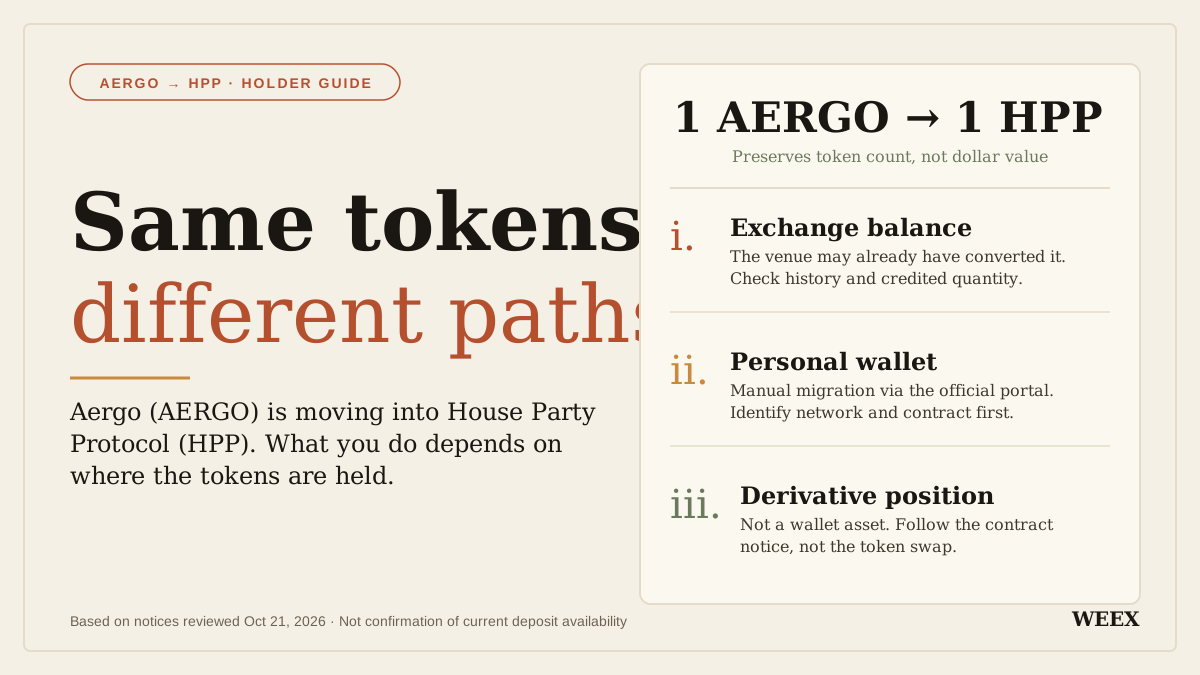
What Happened to Aergo (AERGO) Crypto? Token Migration and What Holders Should Do
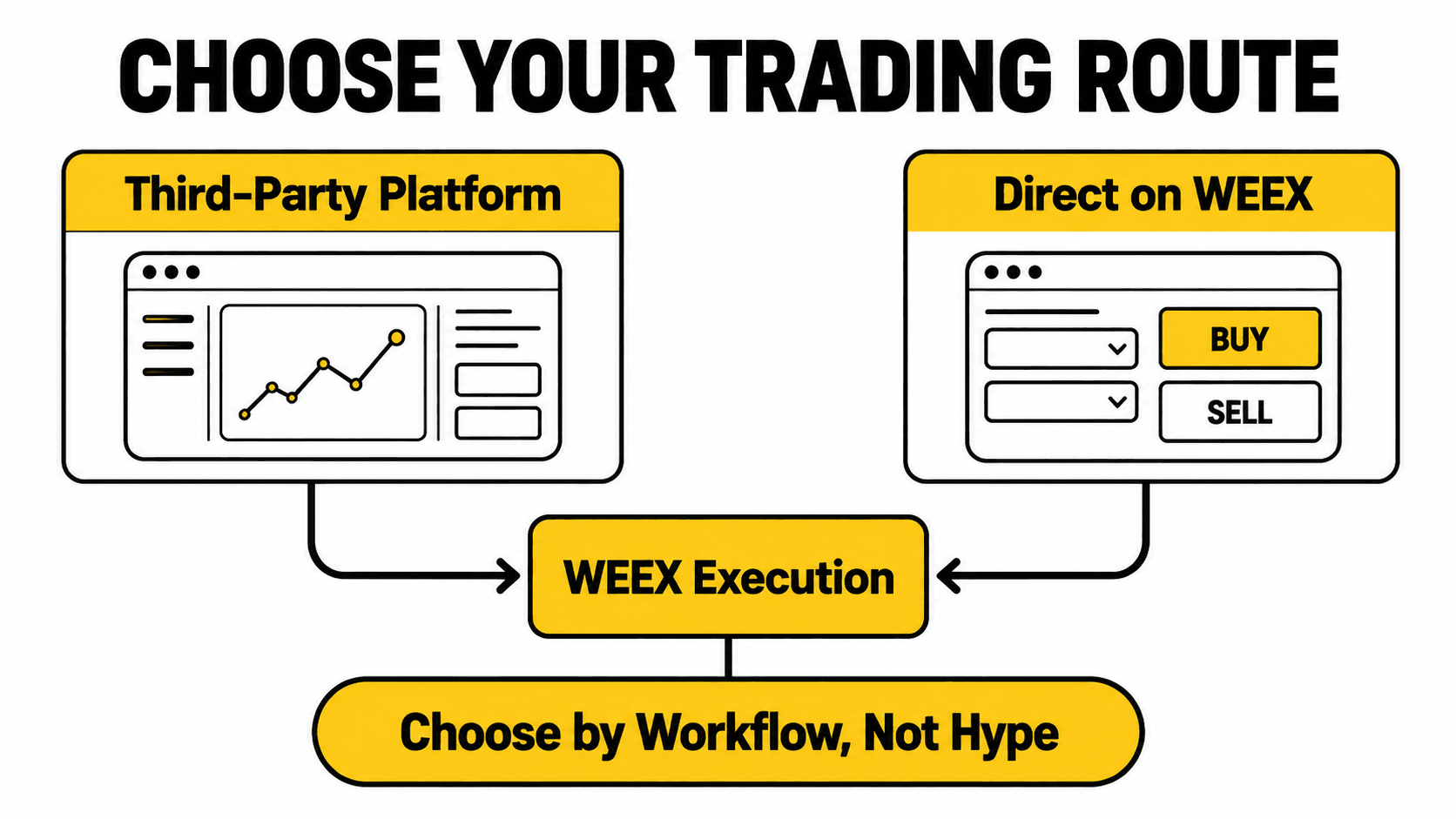
Third-Party Trading Platforms vs Direct WEEX Trading: Fees, Liquidity, Security, and Control
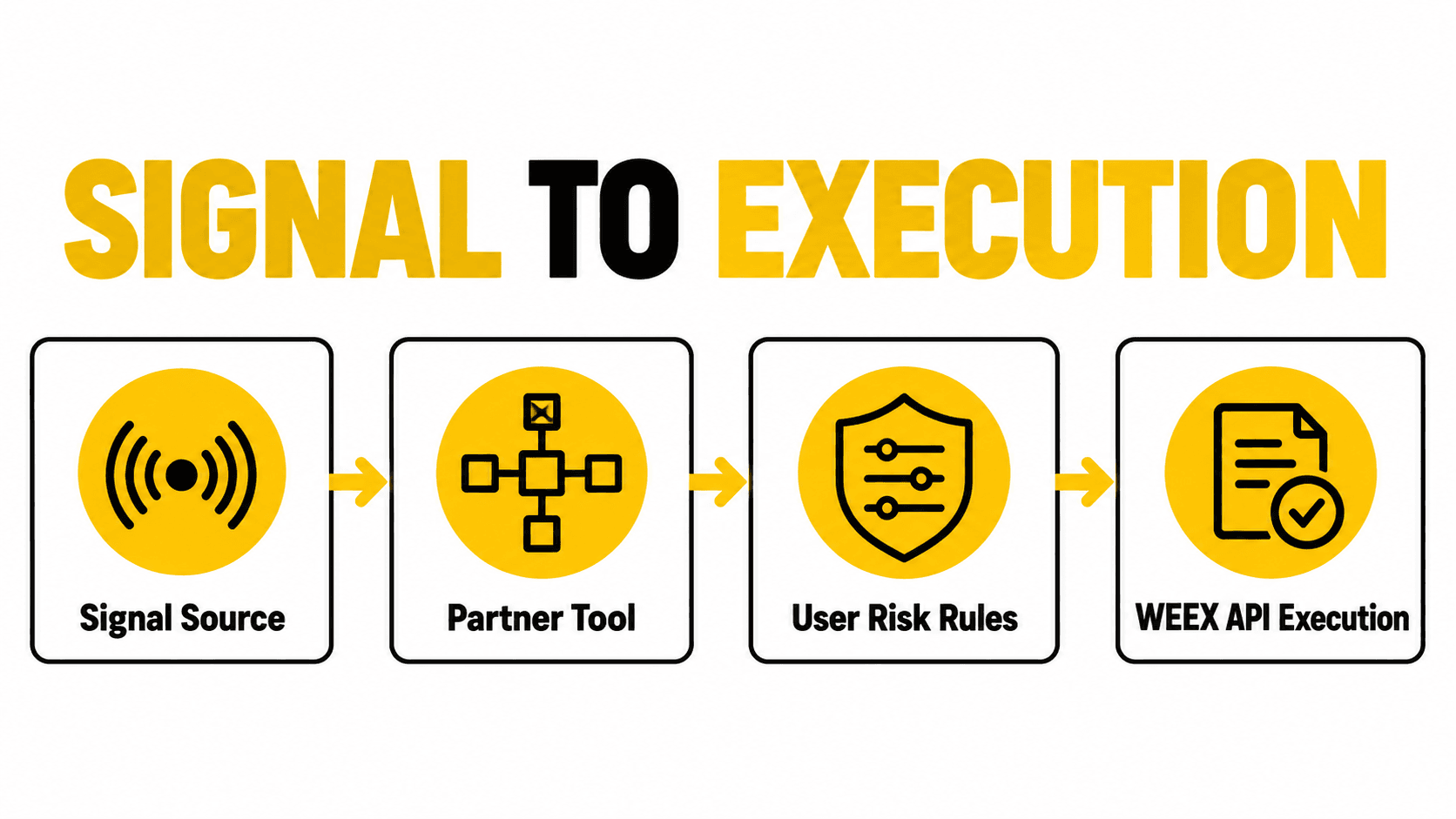
How Copy Trading, Signal, and Telegram Trading Tools Can Build With WEEX Broker

What Is WEEX Fast Connect? How OAuth Connects Third-Party Trading Platforms
WEEX API Documentation: How to Get Started With the WEEX Trading API

What Is WEEX API? Features, Trading Tools and How It Works

What Is WEEX Exchange? Crypto Trading, API and Platform Overview

WEEX TOKEN2049 Day 1 Live Preview: Booth, MBTI and AI Demo
Exchange and BRL-Service Closures in Brazil: October 2026 Deadlines and Balances
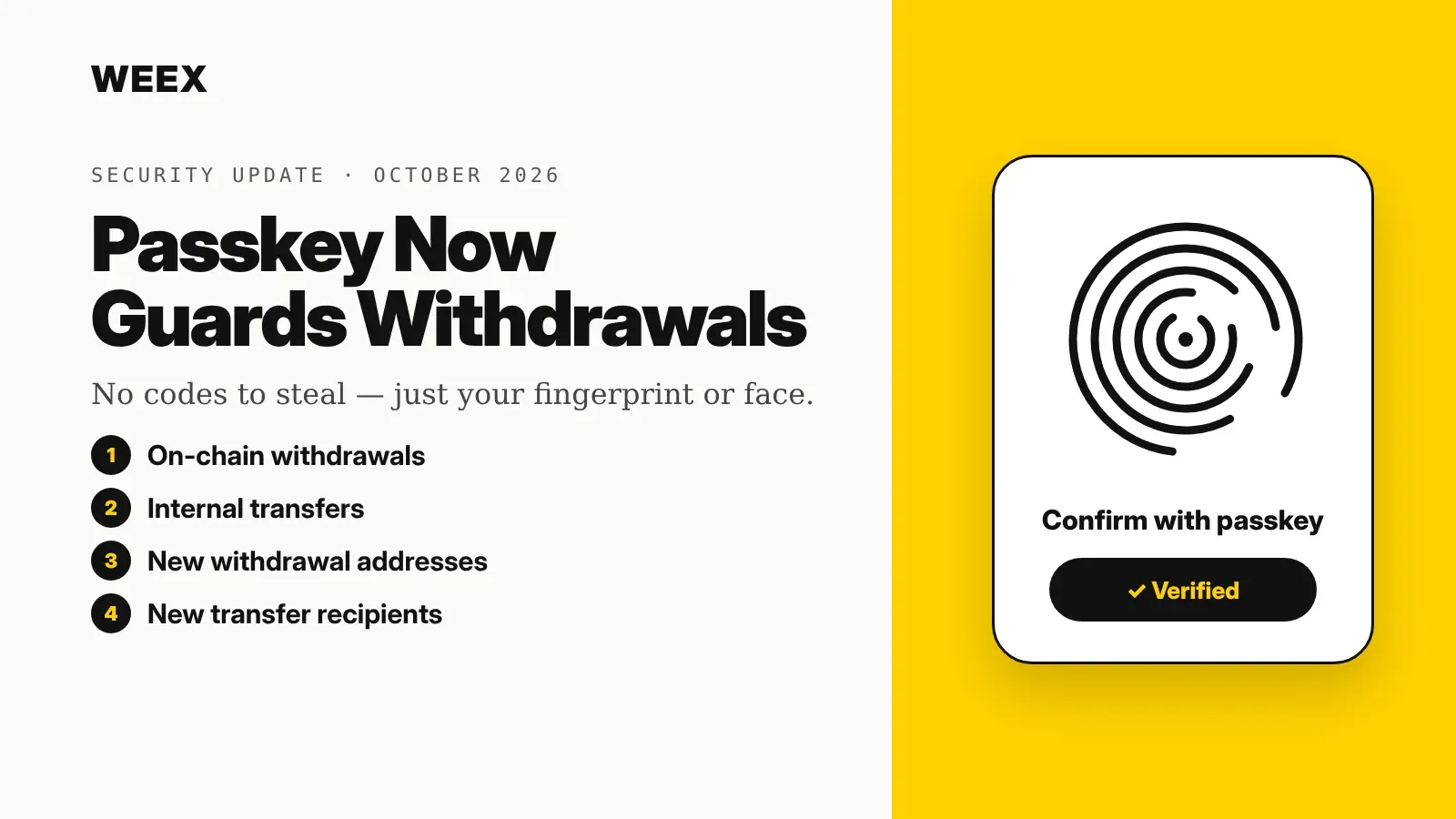
WEEX Passkey Now Secures Withdrawals: The 4 Actions It Covers

Solana Alpenglow Mainnet Date: Why Sept 28 Wasn't Launch Day
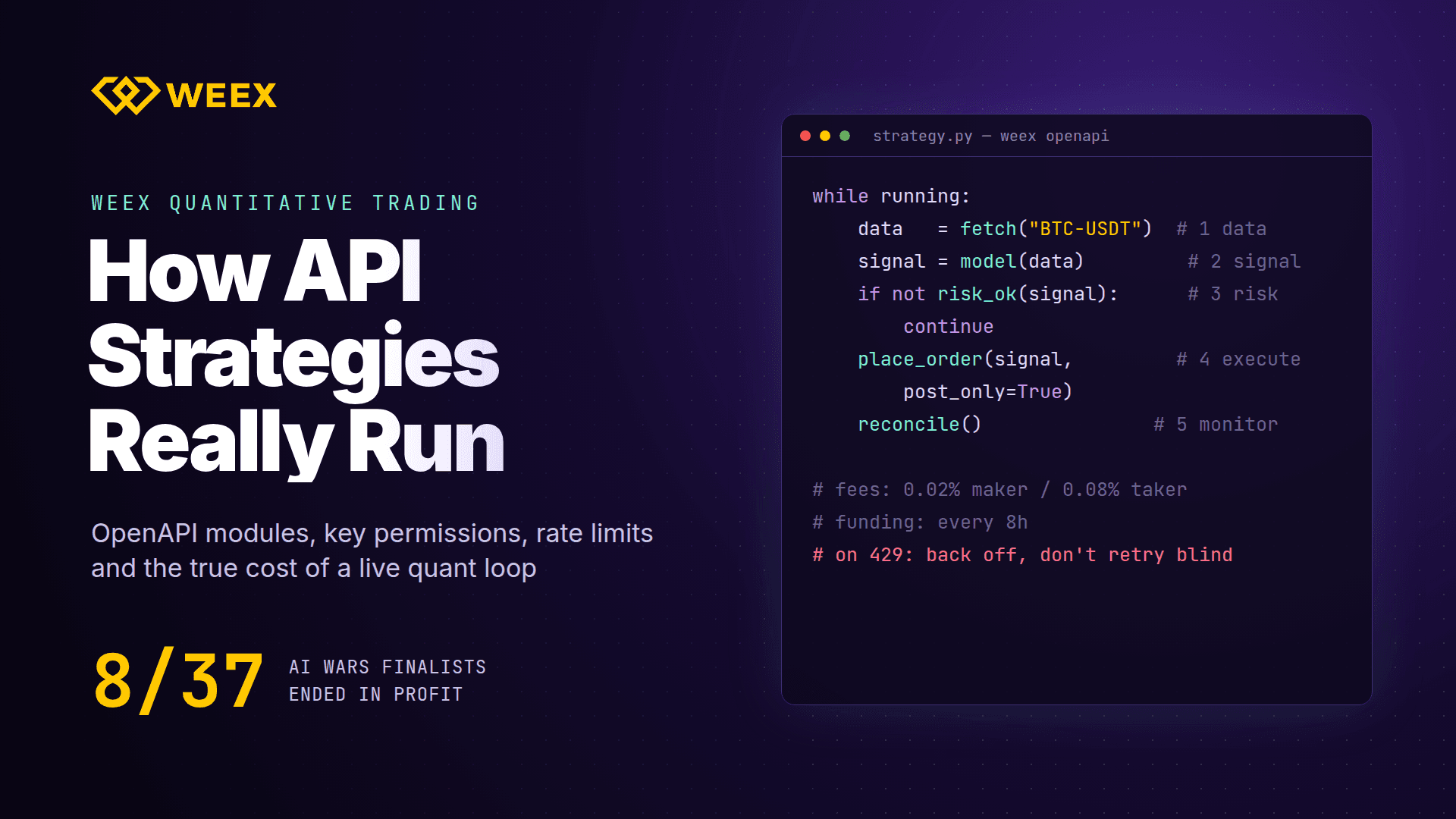
WEEX Quantitative Trading: How API Strategies Run in Practice

BTCB2 and XBT: Why Exchange Notation Can Mislead

How Does WEEX KYC Verification Work? A Taiwan User Guide
What the Grok 4.7 Announcement Means for Users
JPEX Case Retrial: What Taiwan Crypto Users Should Check
Grok 4.7 Release Claims: A Taiwan User Verification Guide
Is WEEX Legal in Taiwan? FSC VASP Rules and the Public Register
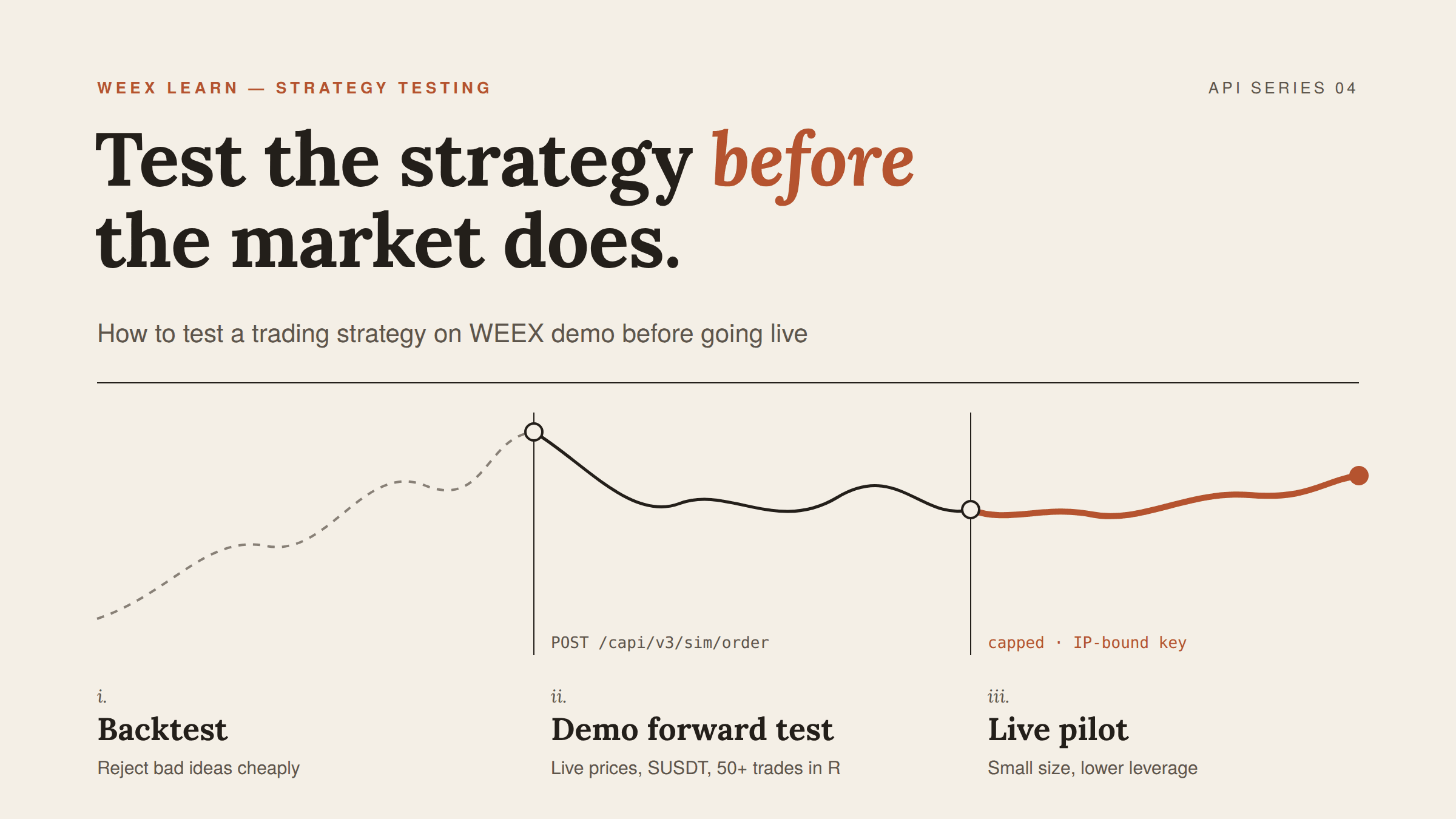
How to Test a Trading Strategy on WEEX Demo Before Going Live
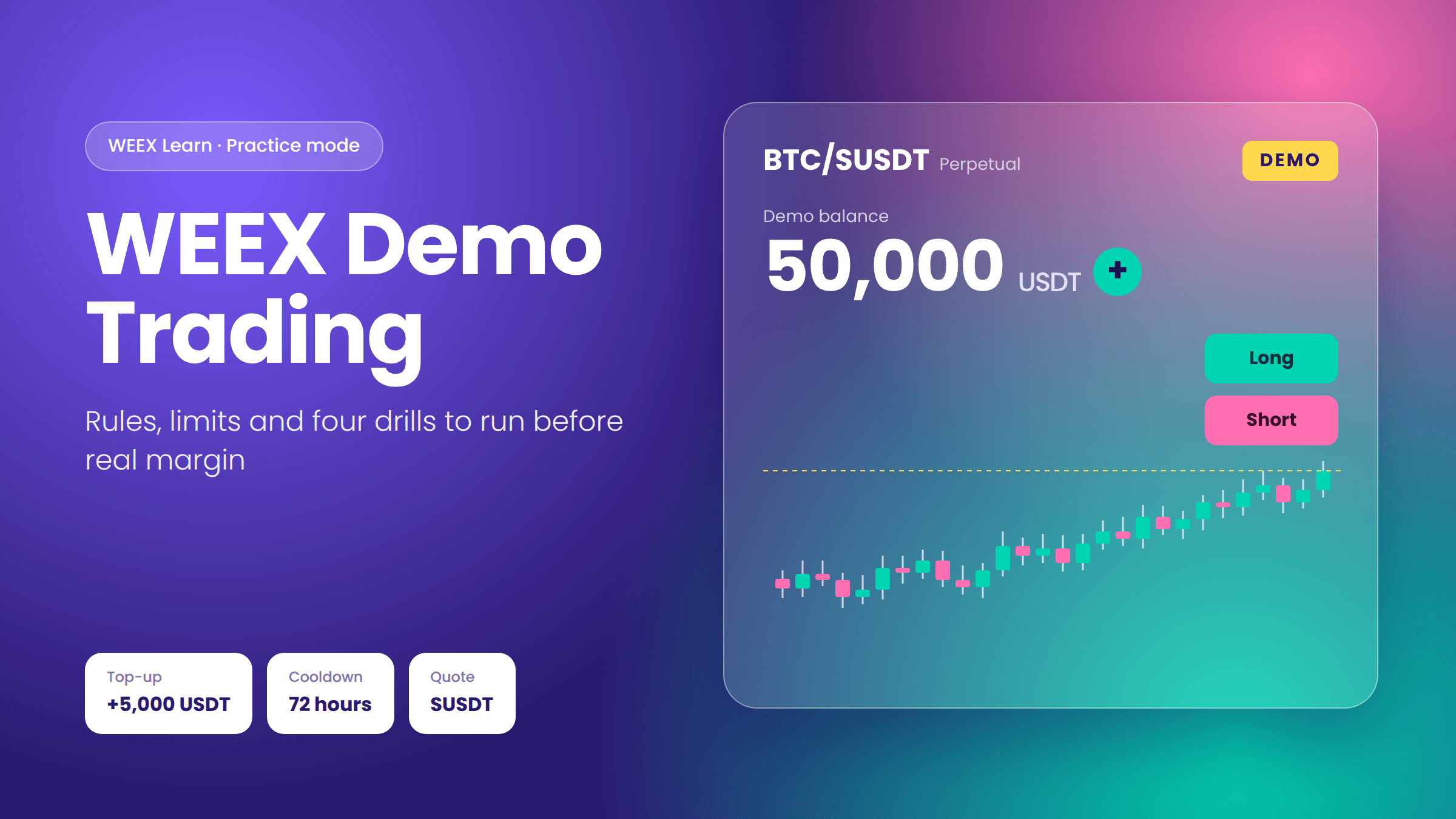
WEEX Demo Trading: 50,000 USDT Practice Account, Rules and Limits
Easypaisa P2P Payments: How to Choose a Merchant and Confirm a USDT Order

BitMart Is Closing: Shutdown Timeline and How to Withdraw Before August 26, 2026
Fake WEEX Support: How Impersonation Scams Drain Real Accounts
Your Crypto Exchange Is Shutting Down: How to Move Your Funds and Choose the Next Exchange

What Happened to Aergo (AERGO) Crypto? Token Migration and What Holders Should Do
Third-Party Trading Platforms vs Direct WEEX Trading: Fees, Liquidity, Security, and Control
How Copy Trading, Signal, and Telegram Trading Tools Can Build With WEEX Broker
What Is WEEX Fast Connect? How OAuth Connects Third-Party Trading Platforms
WEEX API Documentation: How to Get Started With the WEEX Trading API
What Is WEEX API? Features, Trading Tools and How It Works





