
What Is Bitcoin and How Does It Work?

 Prefer us on Google
What is Bitcoin?
Bitcoin is the world's first decentralized digital currency, launched in 2009. It enables peer-to-peer transactions without banks or government control, using blockchain technology to prevent fraud and double-spending.
Unlike traditional money, Bitcoin operates 24/7 globally, offering censorship-resistant transactions. Its decentralized nature and limited supply (21 million coins) make it a unique alternative to government-issued currencies.
How Does Bitcoin Work?
Bitcoin runs on a decentralized blockchain - a transparent, immutable ledger recording all transactions. Each block contains transaction data, forming an unbreakable chain verified by a global network of nodes running open-source software.
Key Blockchain Features:
- Decentralization: Maintained by thousands of nodes worldwide with no central authority
- Immutability : Recorded transactions become permanent and unalterable
- Security: Cryptographic encryption and Proof-of-Work mining protect the network
How Transactions Work
When Alice sends Bob 1 BTC:
- The transaction broadcasts to the network
- Miners verify and record it in a new block
- All nodes update their ledger copies simultaneously
Proof-of-Work
PoW serves two critical functions:
- Prevents double-spending by making fraud computationally impractical
- Reaches network consensus without central authority
The system ensures creating valid blocks is resource-intensive, while verification remains simple for all participants.
Key Improvements:
- Better structured information flow
- Clearer explanation of PoW mechanics
- More concise transaction example
- Consistent formatting for key concepts
Who Is Satoshi Nakamoto?
Satoshi Nakamoto's identity remains a mystery. Satoshi could be a person or a group of developers anywhere in the world. The name is of Japanese origin, but Satoshi's mastery of English has led many to believe that he or she is from an English-speaking country.
-- Price
What Is Bitcoin Halving ?
Bitcoin halving is a pre-programmed event that cuts the mining reward in half approximately every four years. The most recent halving occurred on April 19, 2024, with the next expected in 2028.
This mechanism is fundamental to Bitcoin's deflationary design:
- Gradually reduces new BTC issuance
- Creates predictable, decreasing inflation (unlike fiat currencies)
- Maintains scarcity by capping total supply at 21 million coins
By slowing the creation of new bitcoins, halvings ensure controlled supply growth while preserving miner incentives through periodic adjustments.
Closing Thoughts
From its obscure origins to global recognition, Bitcoin has matured into a versatile cryptocurrency with real-world utility. Whether used for daily payments, long-term investment, or technological innovation, grasping Bitcoin's fundamentals remains crucial for participation in this digital economy.
Bitcoin has proven its staying power as adoption grows worldwide. With increasing institutional acceptance and mainstream integration, it continues to redefine modern finance - challenging traditional monetary systems while offering new economic possibilities.
Further Reading
- What is Bitcoin Halving ?
- How to Trade Bitcoin Futures on WEEX?
- When Was Bitcoin Created and Who Is Satoshi Nakamoto?
- What is Bitcoin? A Simple Guide for Crypto Beginners
Disclaimer: The opinions expressed in this article are for informational purposes only. This article does not constitute an endorsement of any of the products and services discussed or investment, financial, or trading advice. Qualified professionals should be consulted prior to making financial decisions.
This content is provided for general informational purposes only and doesn't constitute financial, investment, legal, or tax advice. Any events, rewards, online promotions, or related information mentioned herein should not be considered a recommendation, solicitation, or invitation to purchase, sell, trade, or otherwise deal in any crypto assets. Crypto assets are highly volatile and may result in loss. The availability of WEEX services, products, and related events may vary by region. You are responsible for ensuring that your participation is in accordance with applicable local laws and regulations.
You may also like
How to Convert ETH to USDT on WEEX: Step-by-Step Guide
How to Convert USDT to BTC on WEEX: Step-by-Step Guide
How to Convert BTC to USDT: A Step-by-Step WEEX Guide
BTC Funding Rate and Open Interest: What Each One Measures and How to Read Them Together
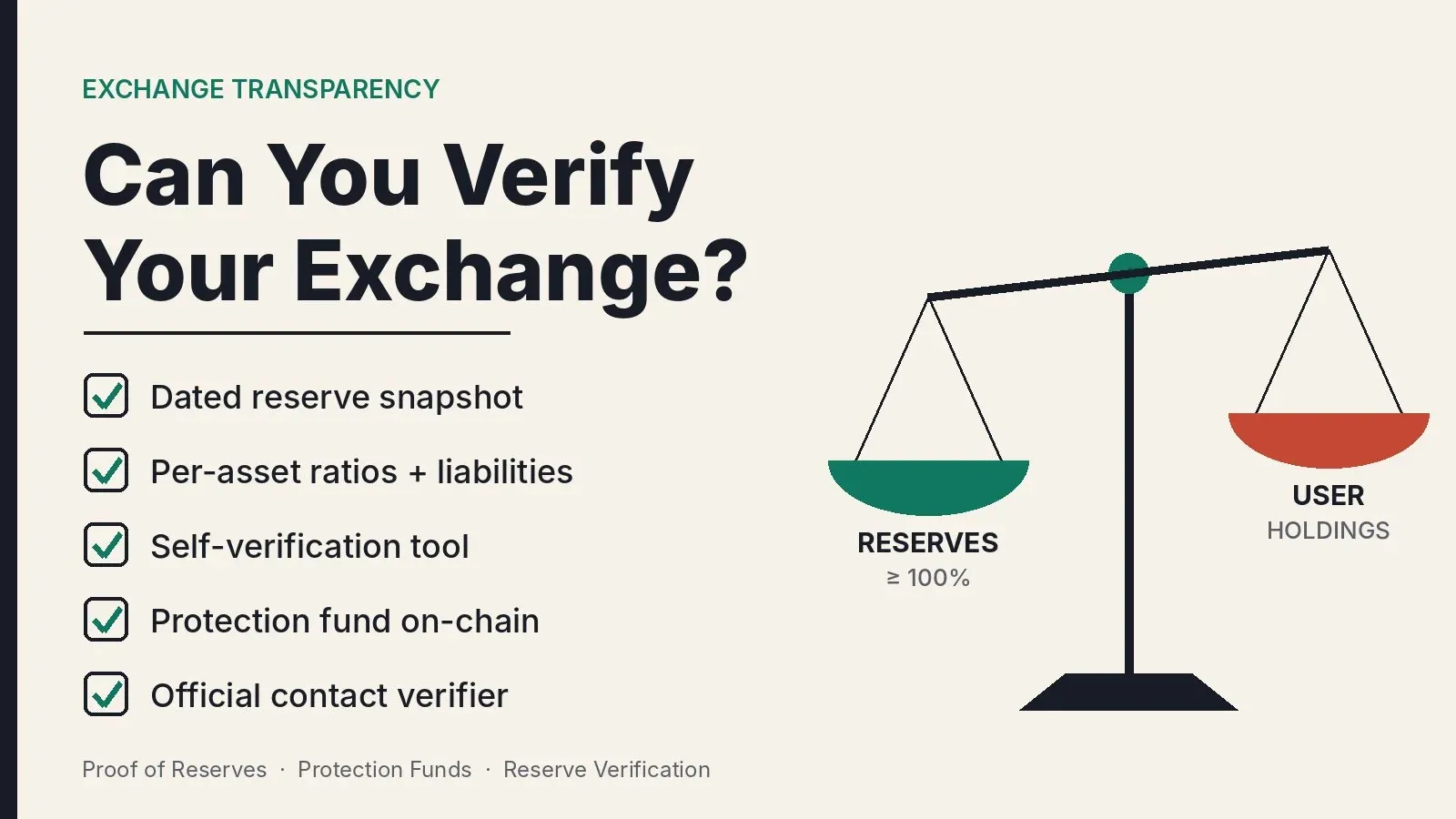
How Transparent Is a Crypto Exchange? Checking Proof of Reserves and Protection Funds
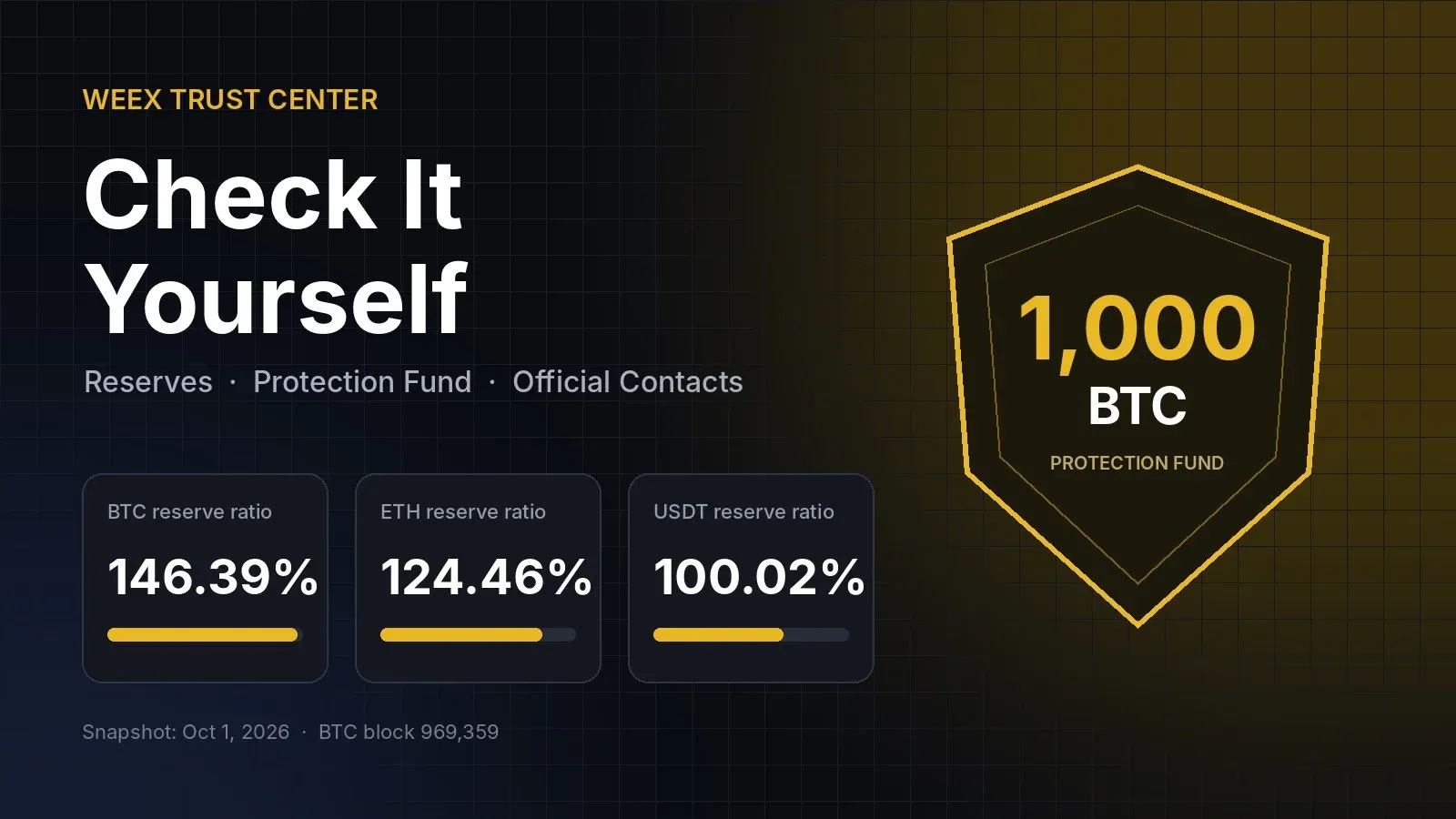
How to Use the WEEX Trust Center: Check Reserves, Protection Fund and Official Contacts
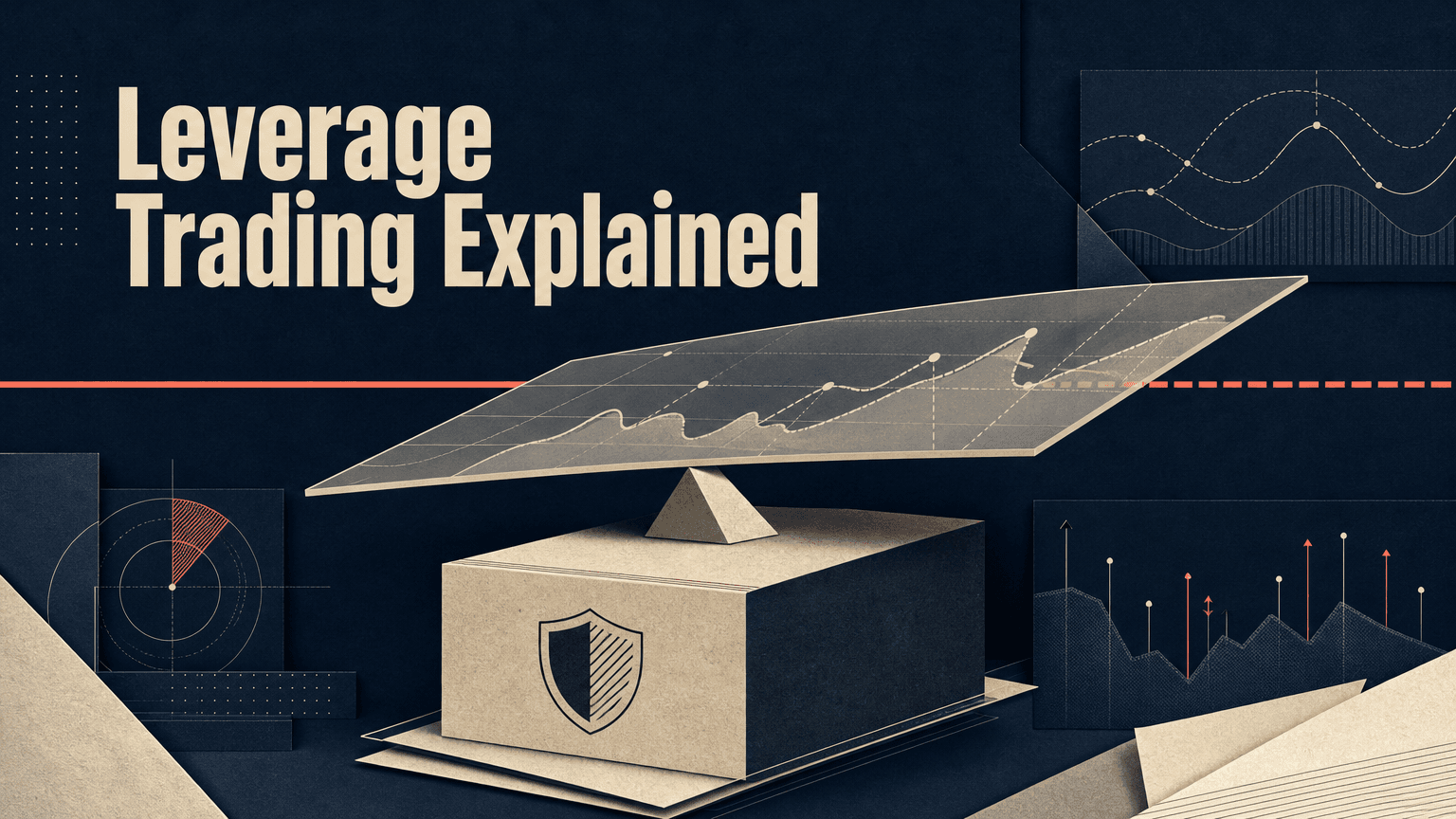
Crypto Leverage Trading Explained: How Perpetual Futures, Margin and Liquidation Work
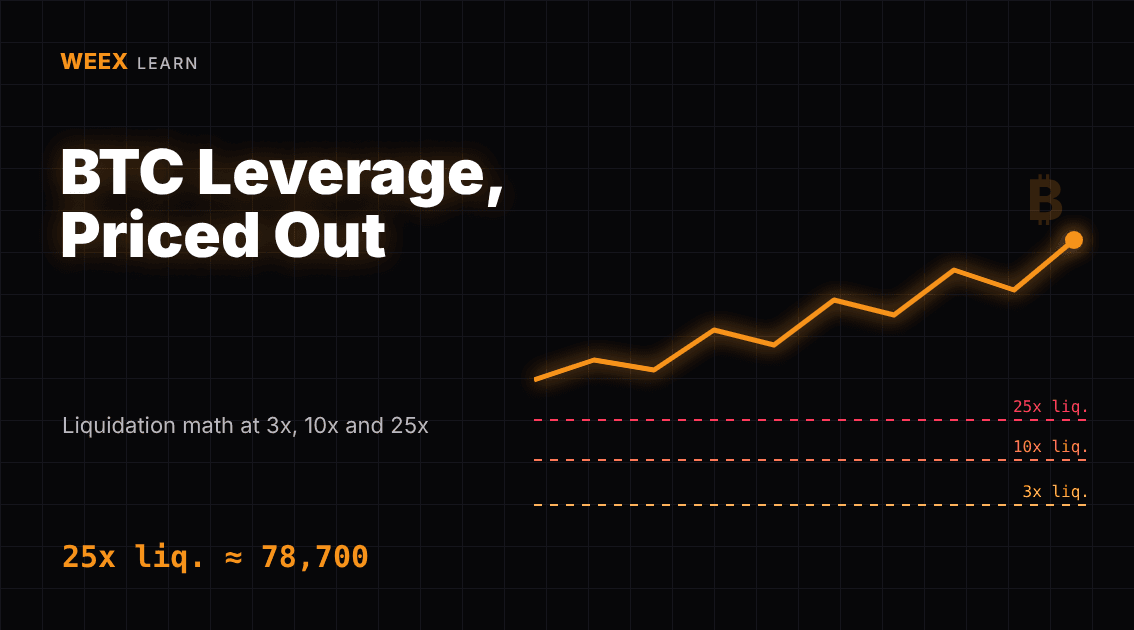
Bitcoin Margin Trading: BTC Liquidation Math at 3x, 10x and 25x

Crypto Leverage Trading Platform: 6 Checks Before You Deposit
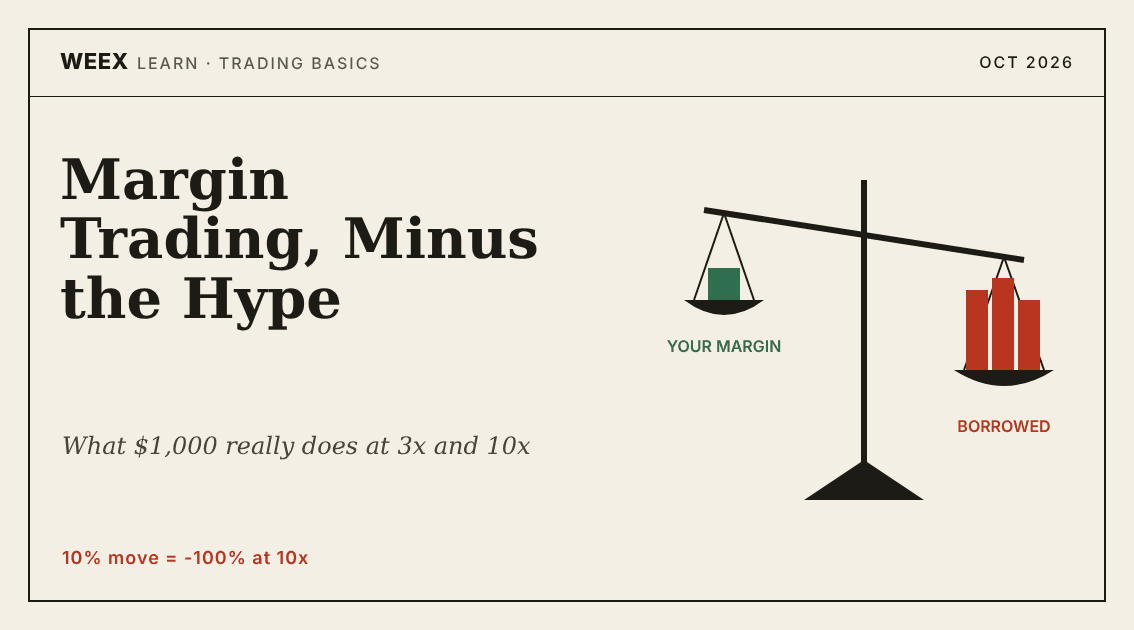
What Is Margin Trading? A $1,000 Example at 3x and 10x Leverage
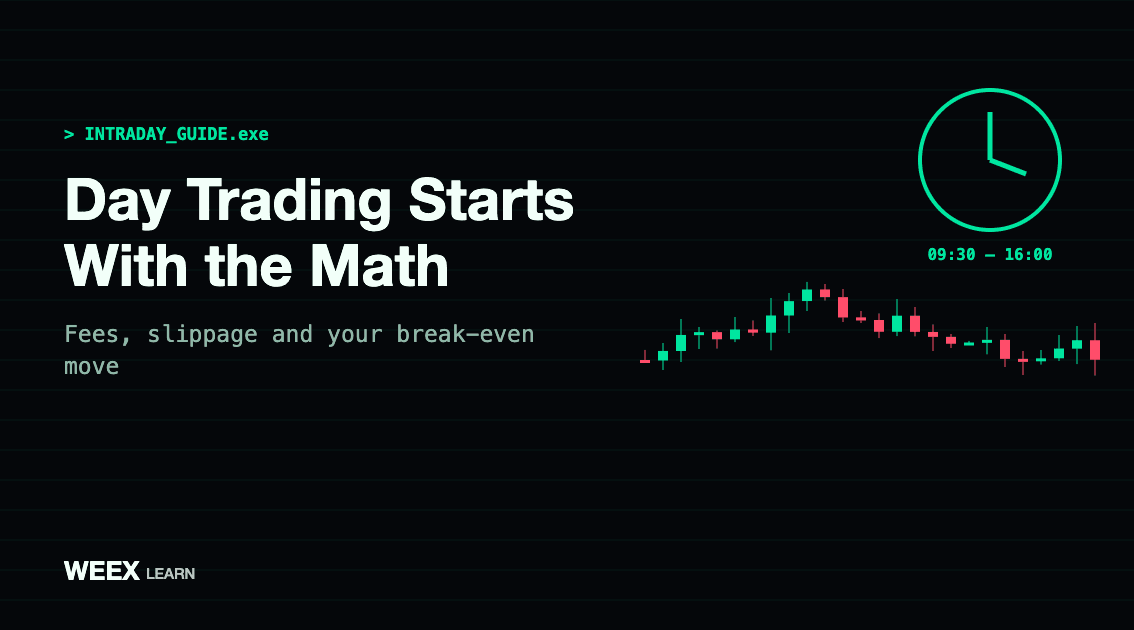
How to Day Trade Crypto for Beginners: The Math Behind One Trade

Trading Psychology for Beginners: Crypto Traps and Hard Rules
What Is a Bitcoin ETF? How Creation, Custody and Fees Work

What Is Blockchain and How Does It Work? One Transaction, Traced
WEEX Convert Fees: What Zero-Fee Conversion Really Costs You

WEEX Convert Quote: How the 8-Second Price Lock Really Works
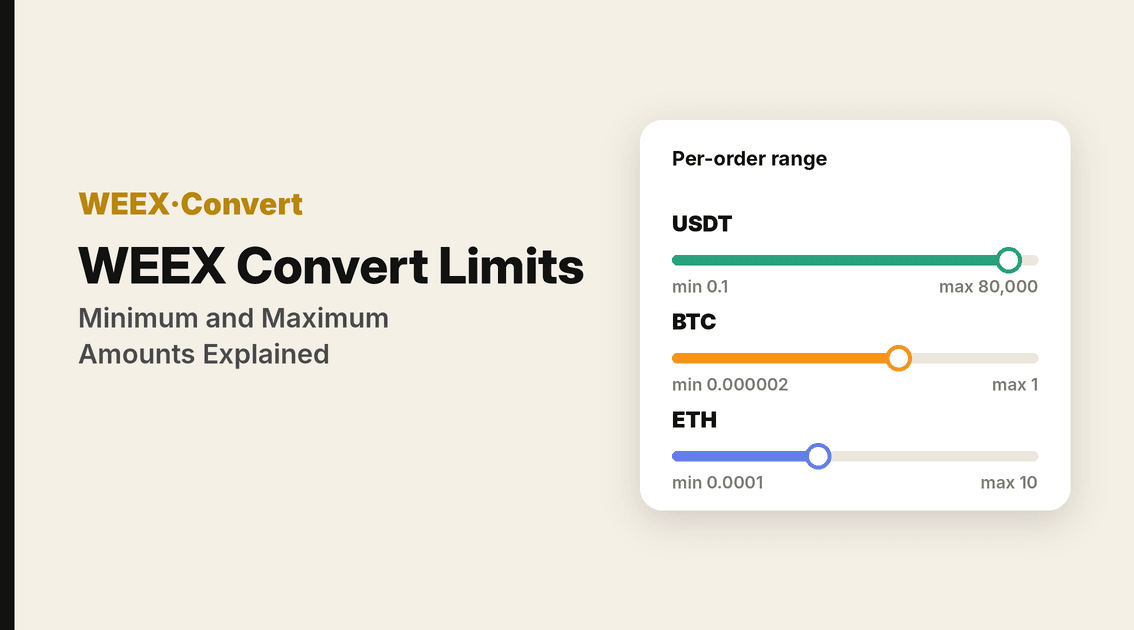
WEEX Convert Limits: Minimum and Maximum Amounts Explained
How to Check a WEEX Convert Order: History, Rate and Status
USDC Significant EMT Status in the EU: What Changes on November 12 Under MiCA
Walrus (WAL) Jumps 30%: Sui Storage Token Rallies on AI Data
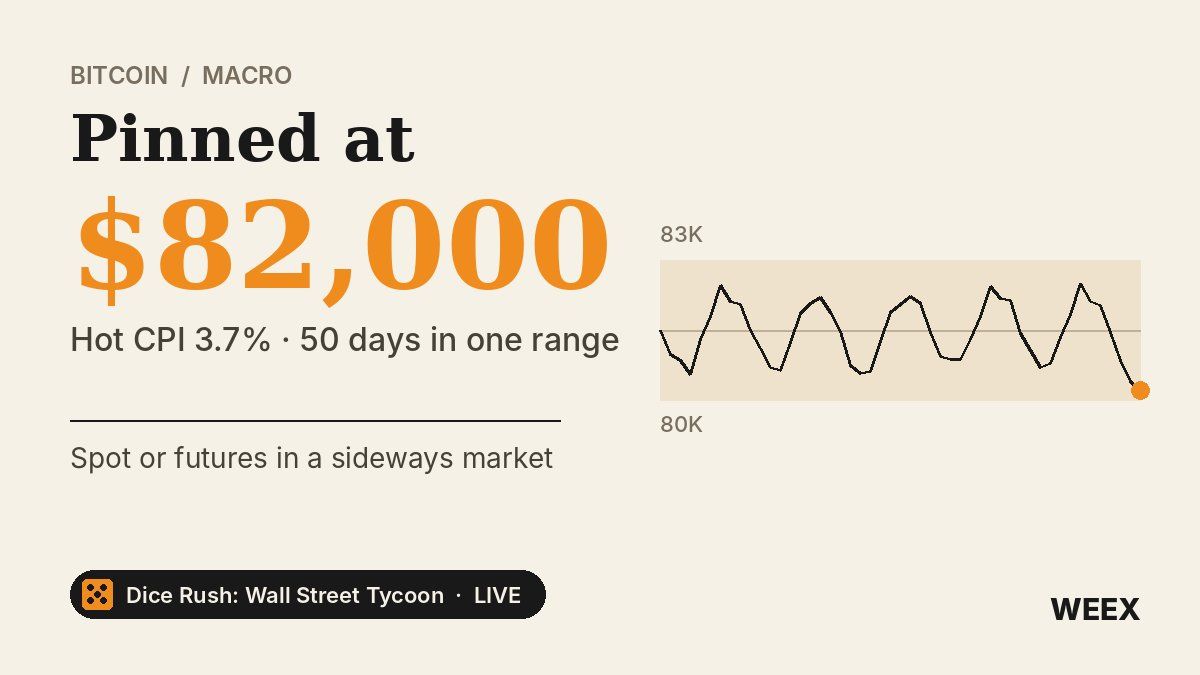
Bitcoin Price After Hot CPI: Why BTC Is Pinned Near $82,000
What Is a Limit Order? How It Works and When to Use It

Best Crypto Miner for Beginners: What to Check on Cost, Power, Hashprice and Profit Before You Buy

Limit Order vs Market Order: Which One to Use When Trading Crypto
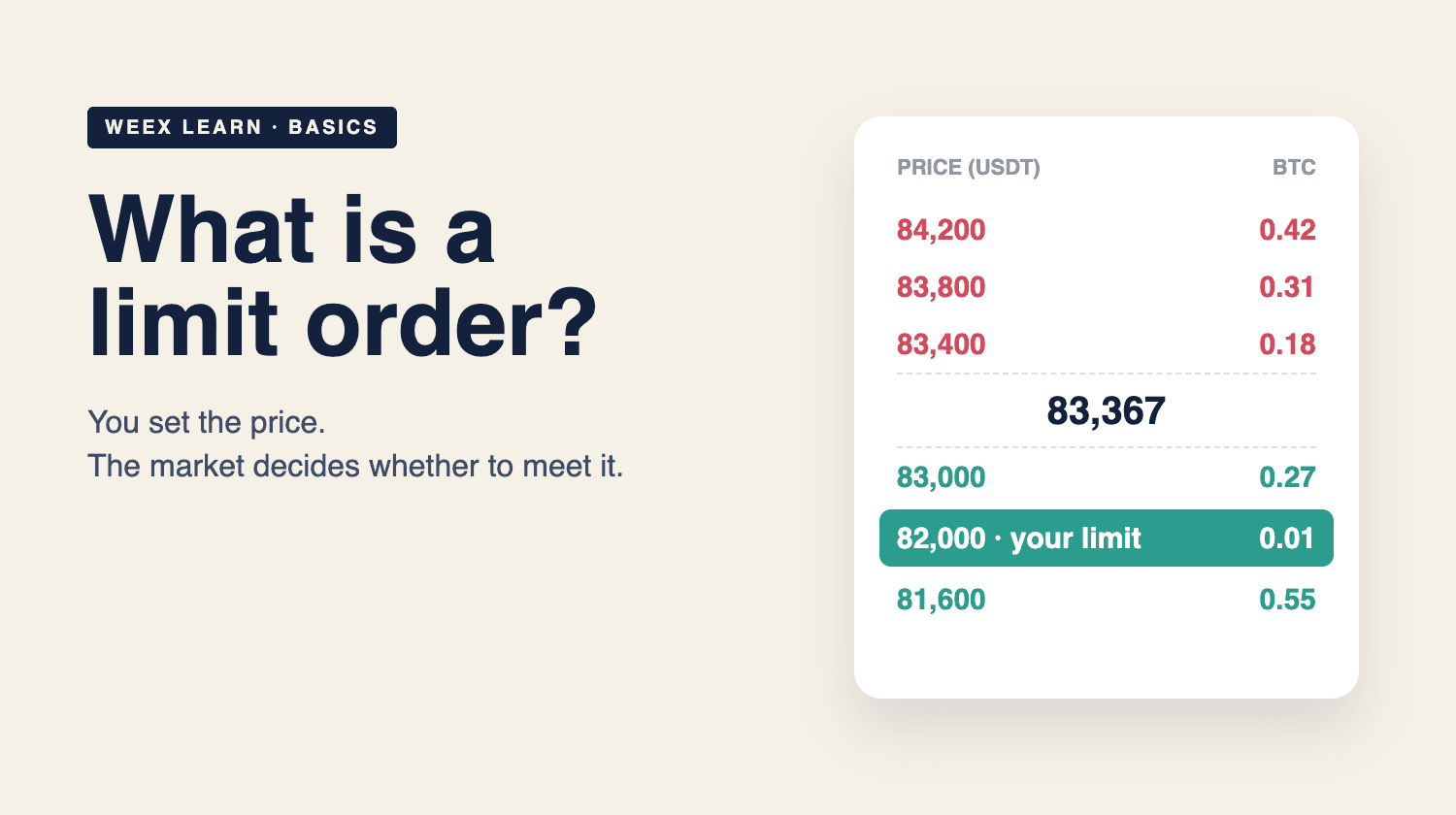
What Is a Limit Order? How It Works in Crypto With BTC Examples
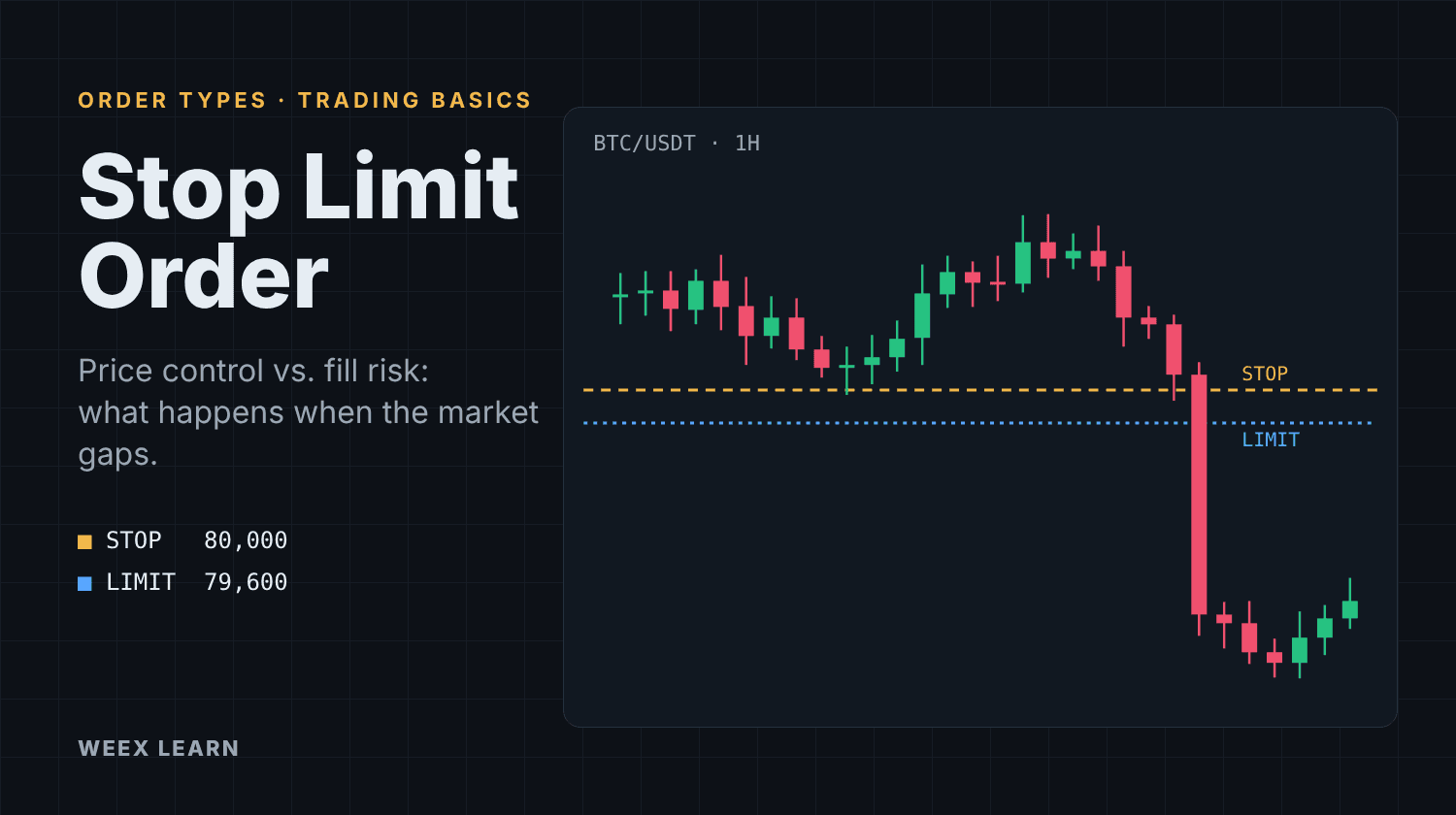
Stop Limit Order: How It Works and Why It Can Fail to Fill
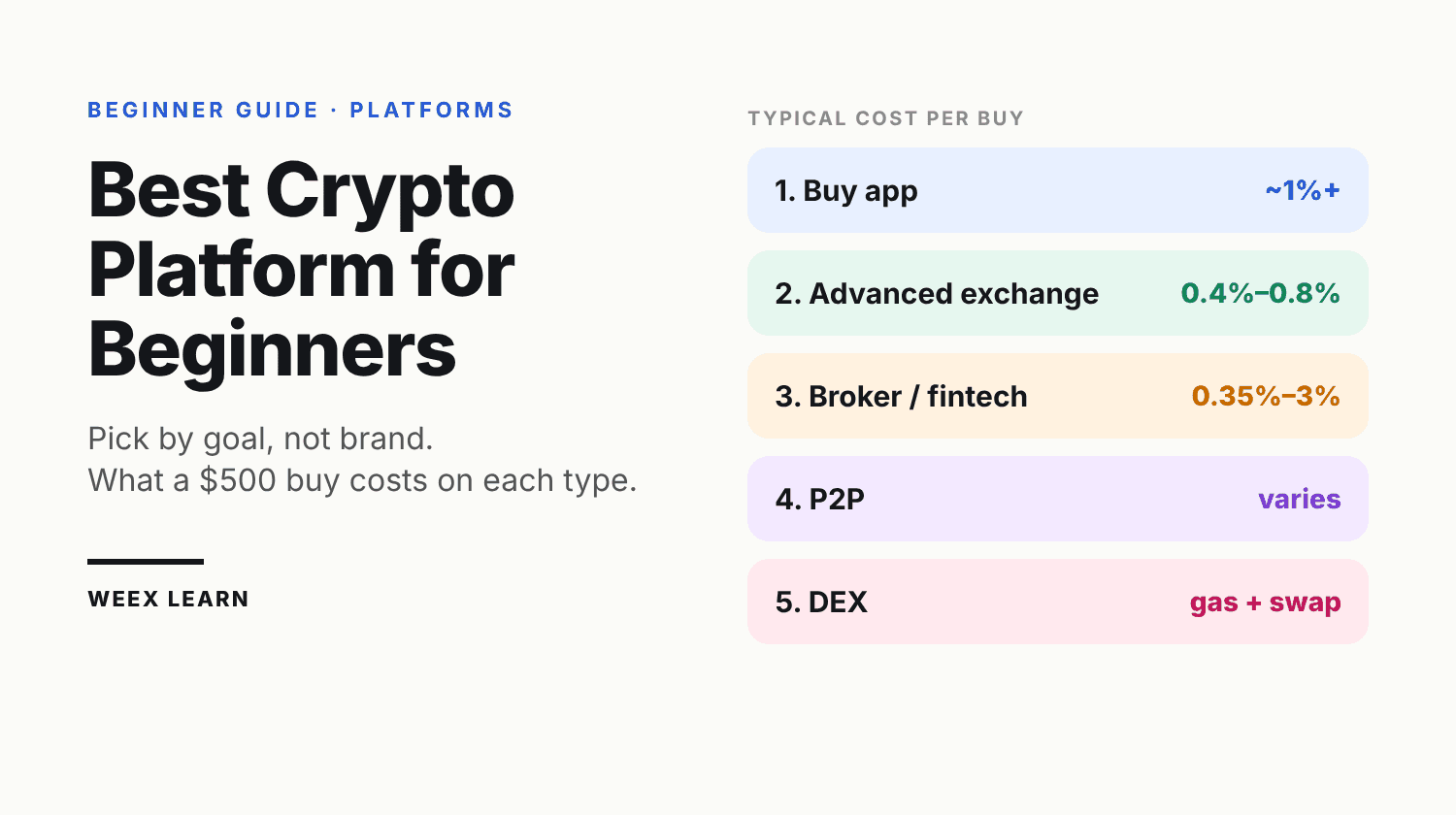
Best Crypto Platform for Beginners: Pick by Goal, Not Brand

Best Crypto Podcasts for Beginners: A 4-Week Listening Plan

How to Buy Crypto Anonymously: 5 Methods, Real Costs and Limits
Will Bitcoin Break $87,000 This Week? CPI, Fed Speakers and ETF Outflows to Watch
How to Convert ETH to USDT on WEEX: Step-by-Step Guide
How to Convert USDT to BTC on WEEX: Step-by-Step Guide
How to Convert BTC to USDT: A Step-by-Step WEEX Guide
BTC Funding Rate and Open Interest: What Each One Measures and How to Read Them Together
How Transparent Is a Crypto Exchange? Checking Proof of Reserves and Protection Funds
How to Use the WEEX Trust Center: Check Reserves, Protection Fund and Official Contacts


