
What Is Dogecoin and How Does It Work?

 Prefer us on Google


What is Dogecoin?
Dogecoin (DOGE) is a decentralized, open-source, peer-to-peer cryptocurrency, often referred to as a "meme coin". It was created in 2013 by Billy Markus and Jackson Palmer, as a fun, lighthearted alternative to Bitcoin, using the image of a Shiba Inu dog from the popular "doge" internet meme. Dogecoin is based on the Litecoin blockchain and utilizes the Scrypt algorithm.
Where did Dogecoin come from?
Dogecoin began as an inside joke among Reddit users in late 2013 when software developers Billy Marcus and Jackson Palmer (who had never met in person) merged two internet obsessions: Bitcoin's rising popularity and the "doge" meme featuring a Shiba Inu with comic sans captions. Despite its humorous origins, they built a fully functional cryptocurrency using Litecoin's blockchain framework, complete with mining capabilities and its own distributed ledger.
The project unexpectedly went viral, with dogecoin.com attracting over a million visitors within its first month. DOGE's enduring appeal stems from its intentionally abundant supply and microscopic unit price (remaining under $0.20 as of April 2024), which created perfect conditions for both micro-tipping culture and speculative trading. What started as parody ultimately became a serious market player, demonstrating how internet culture can organically create financial value.
How Does Dogecoin Work?
The Dogecoin network operates as a decentralized, peer-to-peer system that facilitates borderless transactions without requiring permission. Similar to Bitcoin, Dogecoin maintains its own independent blockchain that records every transaction in a permanent, tamper-proof ledger. This distributed ledger is secured and maintained by a global network of nodes - individual computers that each store a complete copy of the blockchain and collectively validate new transactions.
Core Components of the Dogecoin Ecosystem:
Dogecoin utilizes a Proof-of-Work (PoW) system where miners compete using specialized hardware to validate transactions and create new blocks. In a significant 2014 upgrade, Dogecoin adopted the Scrypt hashing algorithm (replacing SHA-256) to enable merged mining with Litecoin and other Scrypt-based cryptocurrencies, improving network security while reducing energy consumption.
Monetary Policy
Dogecoin features an inflationary model with no maximum supply cap. Currently, over 145 billion DOGE are in circulation, with approximately 5 billion new coins minted annually through mining rewards. This unlimited supply was intentionally designed to promote DOGE's use in microtransactions and social tipping rather than as a store of value.
Transaction Efficiency
The network offers fast confirmation times and minimal transaction fees, making it particularly suitable for small, frequent payments and real-world usage scenarios.
Community Culture
Dogecoin's most distinctive feature remains its vibrant, philanthropic community. Since 2014, the "Doge Army" has organized numerous charitable initiatives, including funding the Jamaican bobsled team's participation in the Winter Olympics, demonstrating the cryptocurrency's unique social impact potential.
-- Price
Closing Thoughts
Originally created as a joke based on an internet meme, Dogecoin has defied expectations by maintaining its position as a top cryptocurrency for over a decade. Its remarkable staying power stems from cultivating one of crypto's most passionate communities, who have transformed DOGE from a parody into a cultural phenomenon with real economic impact.
The cryptocurrency market continues to grapple with Dogecoin's dual identity - is it primarily a humorous internet token or a legitimate financial instrument? While this ambiguity persists, DOGE's influence is undeniable. As the original meme coin, it pioneered an entire asset class and demonstrated how community enthusiasm can sustain value in the volatile crypto space. Few digital assets, regardless of their technical sophistication, have achieved Dogecoin's level of cultural penetration and name recognition.
Further Reading
Disclaimer: The opinions expressed in this article are for informational purposes only. This article does not constitute an endorsement of any of the products and services discussed or investment, financial, or trading advice. Qualified professionals should be consulted prior to making financial decisions.
This content is provided for general informational purposes only and doesn't constitute financial, investment, legal, or tax advice. Any events, rewards, online promotions, or related information mentioned herein should not be considered a recommendation, solicitation, or invitation to purchase, sell, trade, or otherwise deal in any crypto assets. Crypto assets are highly volatile and may result in loss. The availability of WEEX services, products, and related events may vary by region. You are responsible for ensuring that your participation is in accordance with applicable local laws and regulations.
You may also like
Singapore Crypto Tax 2025: A Complete Guide
LTC Airdrop – 50,000 USDT New User Welcome Reward
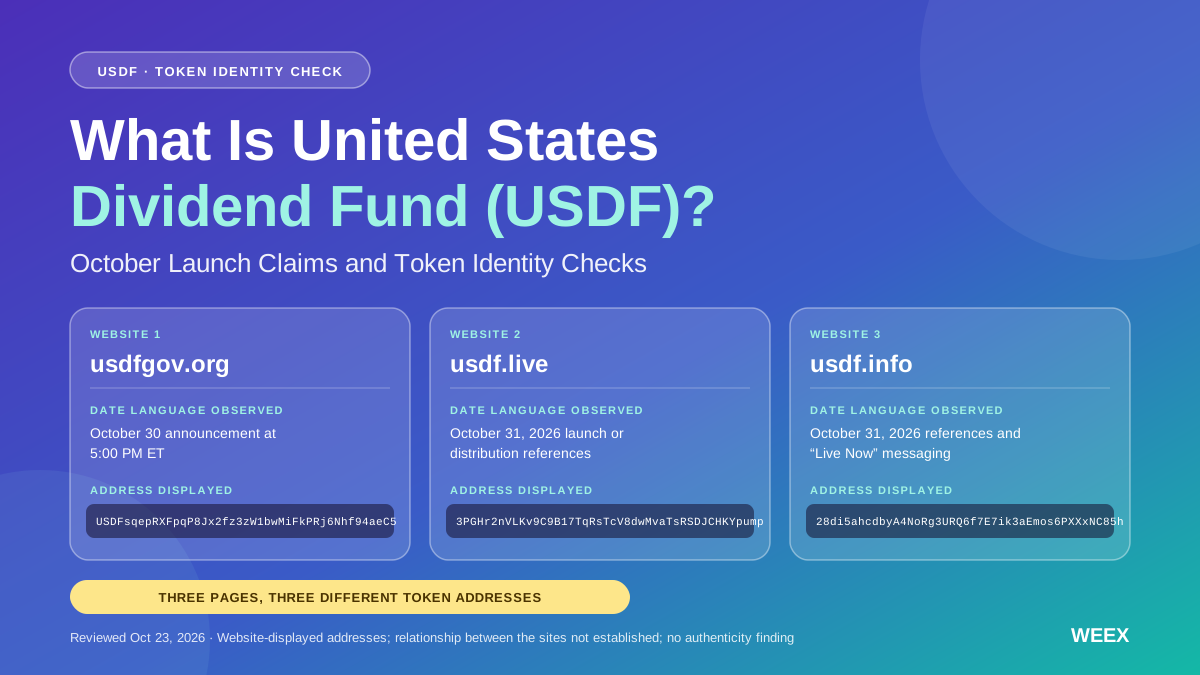
What Is United States Dividend Fund (USDF)? October Launch Claims and Token Identity Checks

How to Check Your WEEX Convert History: Convert Records and Spot Transactions

Why Did Pump.fun Partner With Kimchi? What the Deal Means for Traders
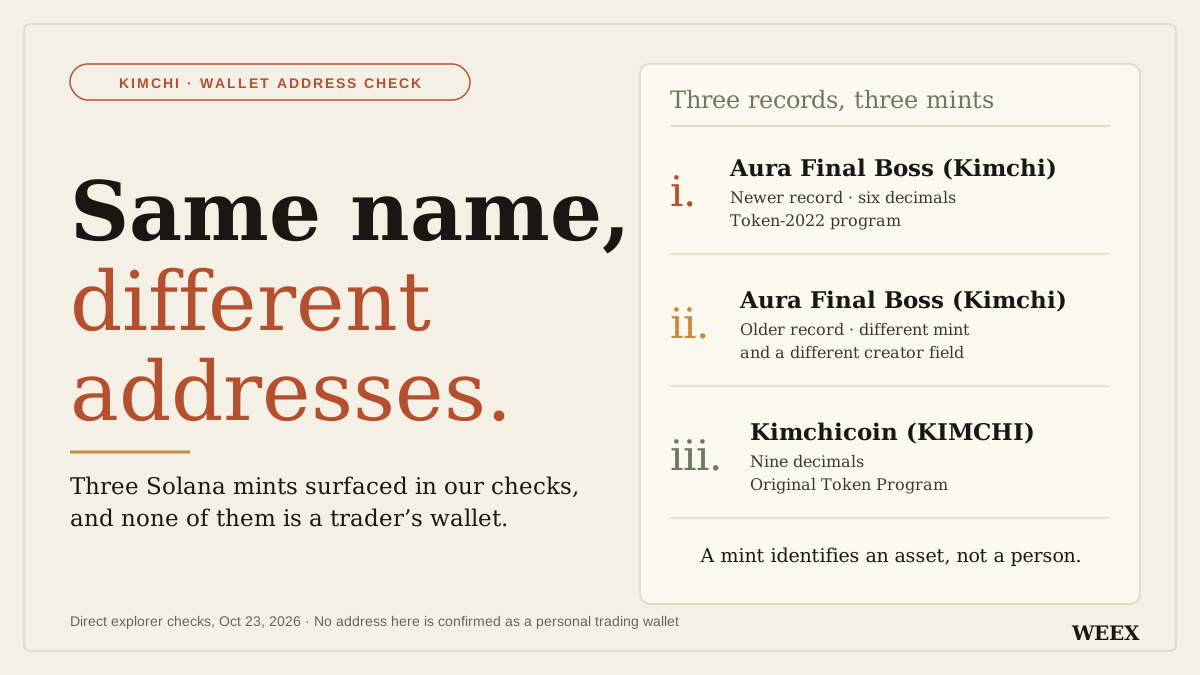
What Is Kimchi Crypto Trader’s Wallet Address? Public Records and Verification Guide
Which Cryptocurrencies Can You Convert on WEEX? How to Check Supported Assets
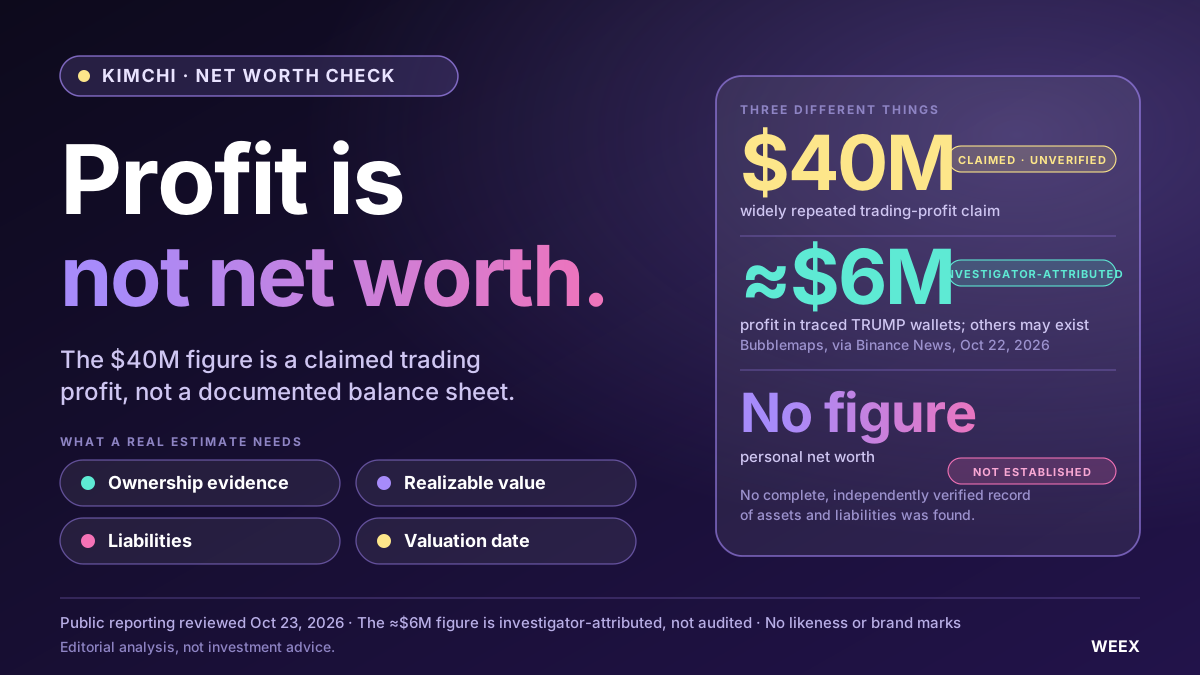
What Is Kimchi Crypto Trader’s Net Worth? Examining the $40 Million Claim

How to Trade Gold in Forex: What XAU/USD Is, How Pips and Lots Work and the Risks to Know
Should Your Crypto Cash Buffer Sit in WEEX Auto Earn? The Math
WEEX Convert Available Balance: How to Check and Use Max
How to Convert ETH to USDT on WEEX: Step-by-Step Guide
How to Convert USDT to BTC on WEEX: Step-by-Step Guide
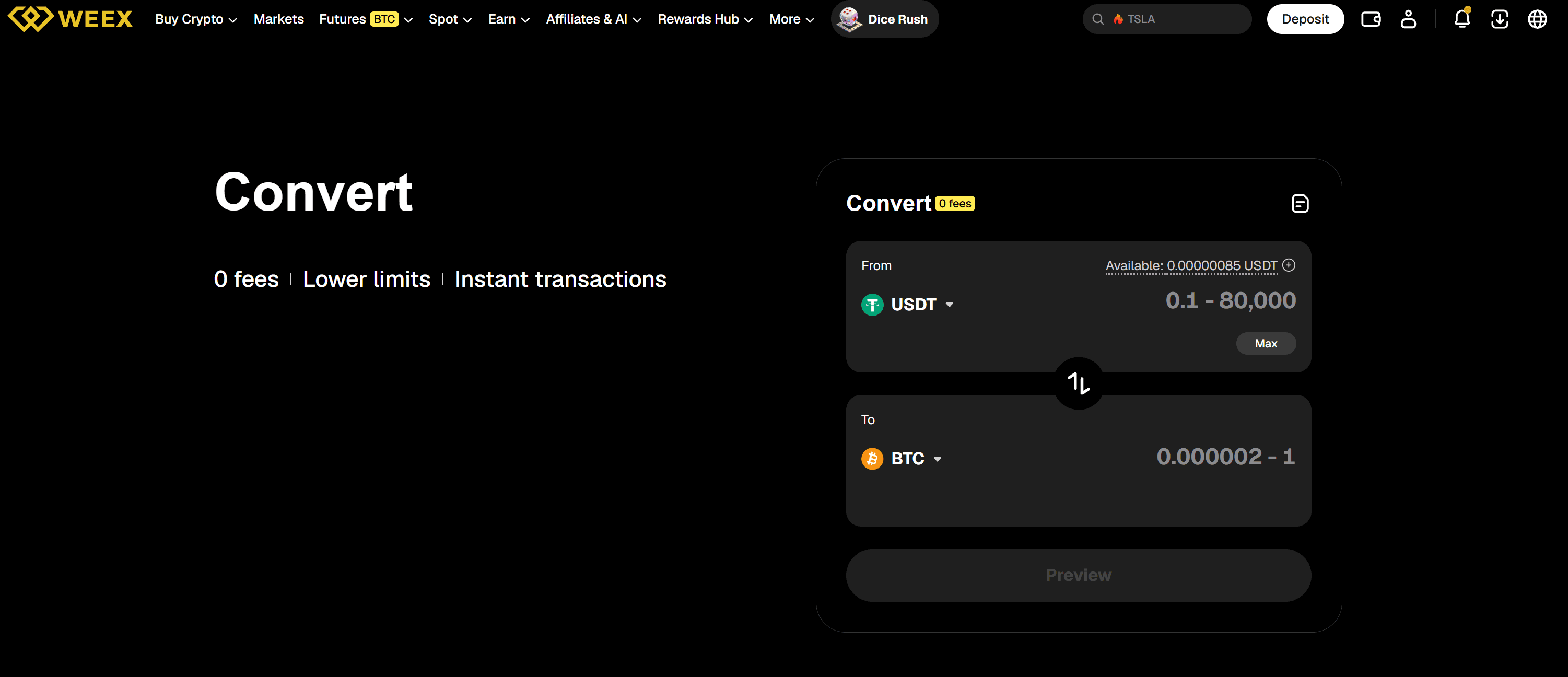
How to Convert BTC to ETH on WEEX: Step-by-Step Guide

FTR Coin After the Roadster Hype: Why Flying Tesla Roadster Fell Back and What to Check Before Trading
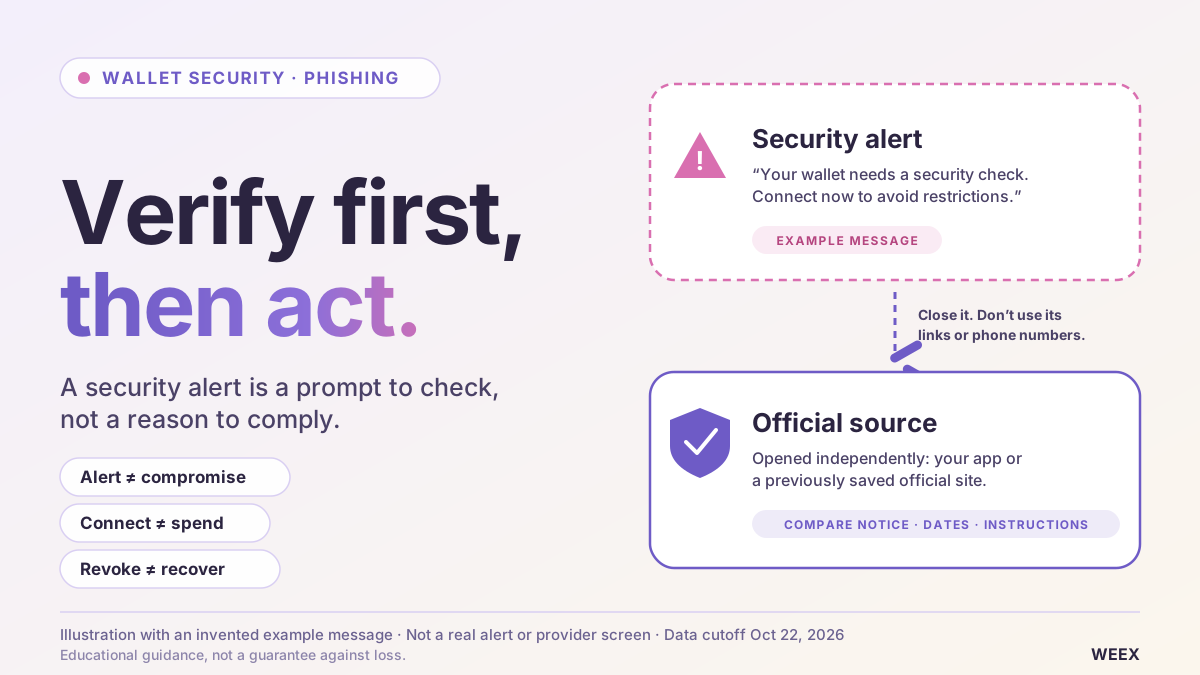
Is Your Crypto Wallet Safe? How to Verify Security Alerts and Spot Phishing
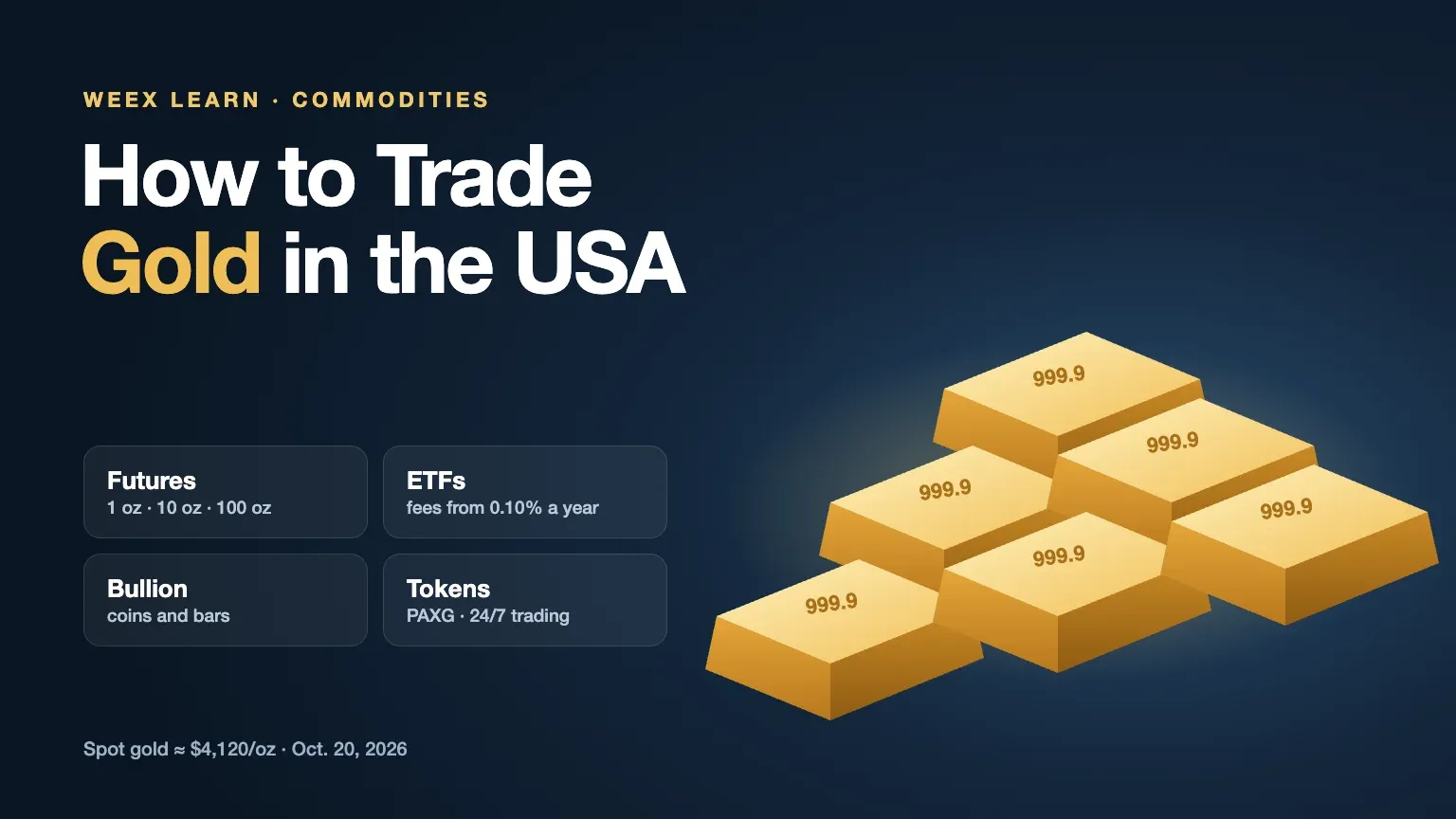
How to Trade Gold in the USA: Futures, ETFs, Bullion and Tokens
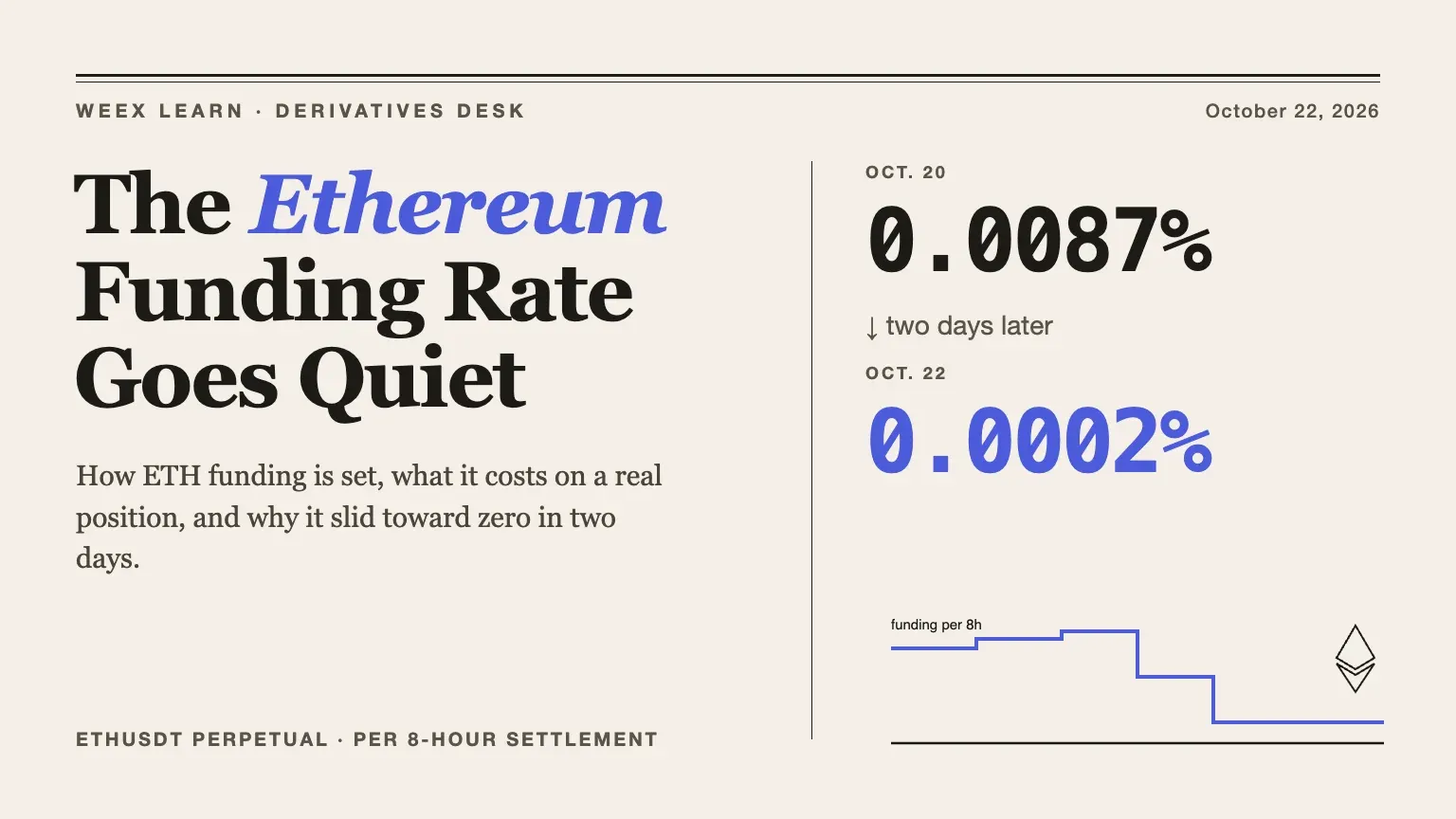
Ethereum Funding Rate: How It Works and Why It Dropped Near Zero
Crypto Liquidation Heatmap: Reading the $972M Oct. 15 Long Flush
Margin Trading Crypto: Cross vs Isolated and Liquidation Math
SpaceX Q3 Earnings: 161% Growth, Tesla Merger Talk and SPCX Stock
How to Convert BTC to USDT: A Step-by-Step WEEX Guide
Flexible or Fixed Staking on WEEX? The Odds That Decide It
xStocks Crypto Explained: What Tokenized Stocks Are, How They Work and What Holders Should Check
BTC Funding Rate and Open Interest: What Each One Measures and How to Read Them Together
What Is Pearl (PRL) Crypto and How Does Its Mining Work?
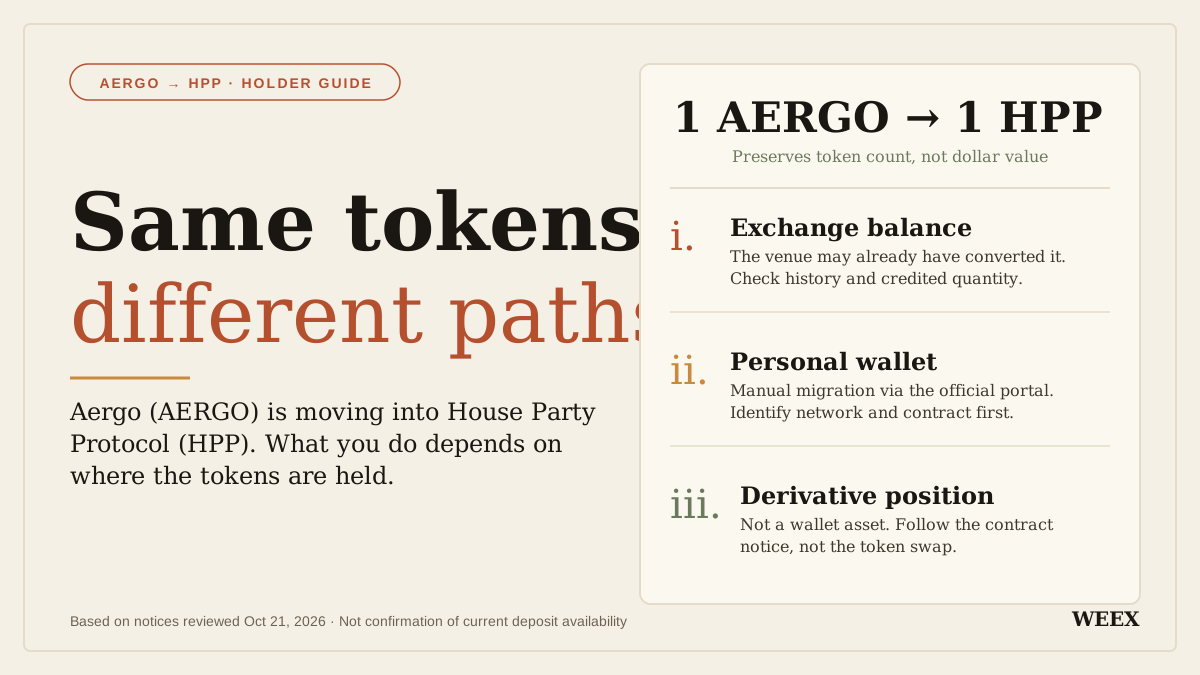
What Happened to Aergo (AERGO) Crypto? Token Migration and What Holders Should Do
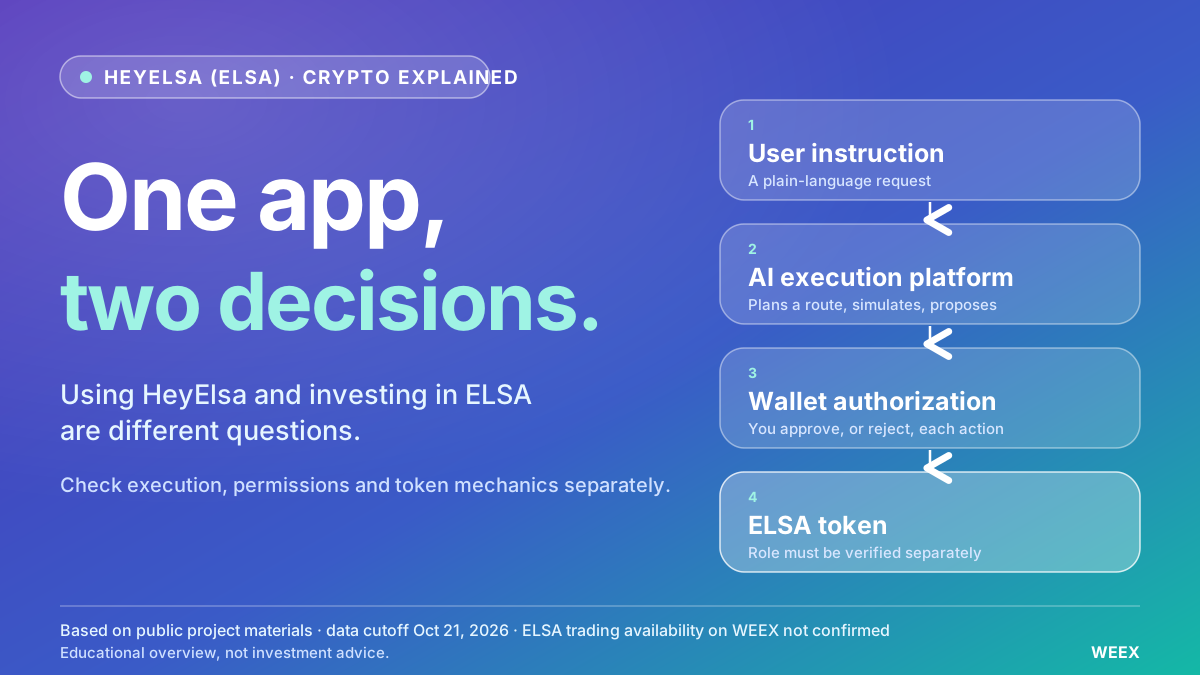
What Is HeyElsa (ELSA) Crypto and How Does It Work?
Stake ETH or Hold USDT on WEEX? The Price Move That Decides It
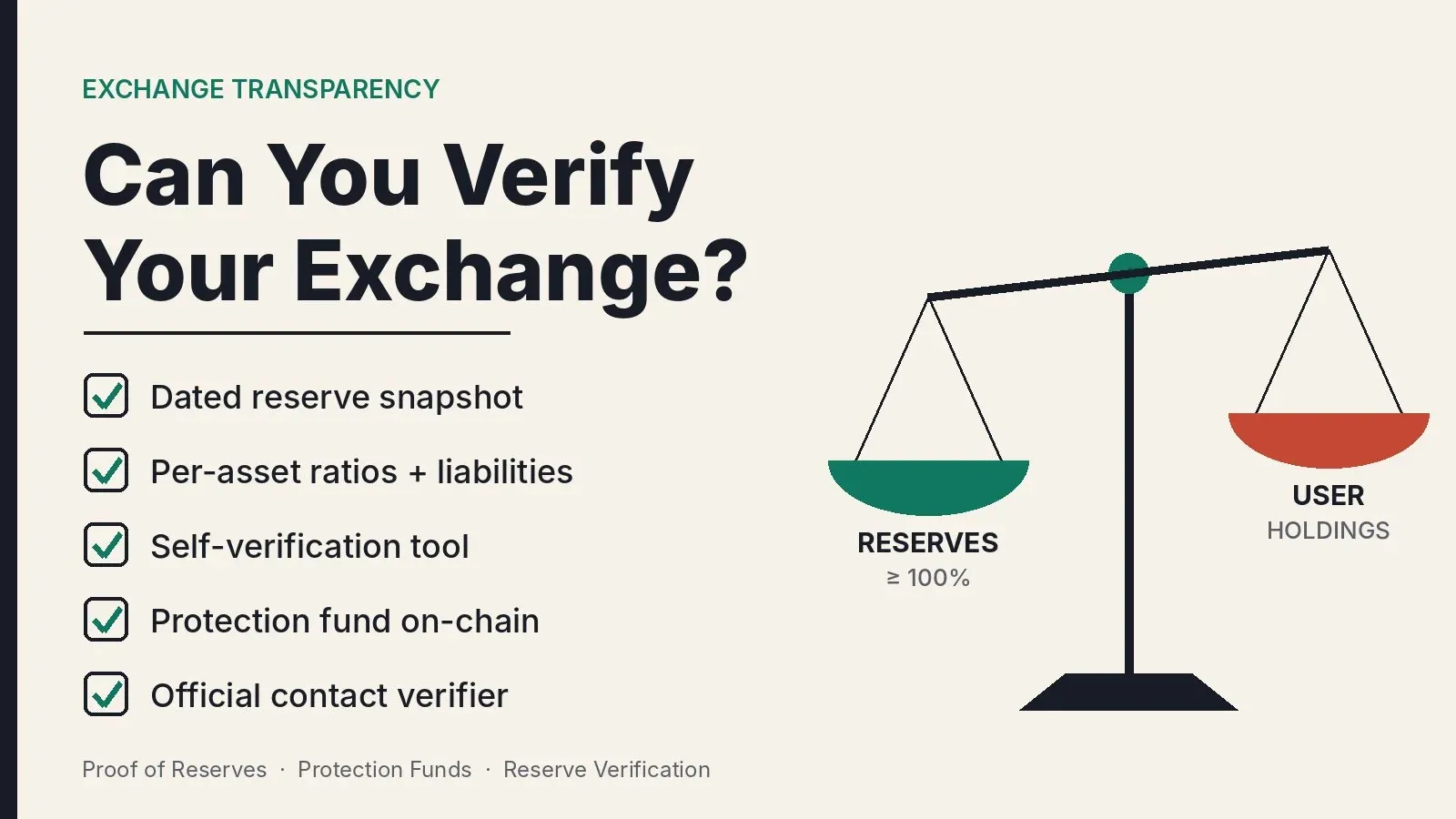
How Transparent Is a Crypto Exchange? Checking Proof of Reserves and Protection Funds
Singapore Crypto Tax 2025: A Complete Guide
LTC Airdrop – 50,000 USDT New User Welcome Reward
What Is United States Dividend Fund (USDF)? October Launch Claims and Token Identity Checks
How to Check Your WEEX Convert History: Convert Records and Spot Transactions
Why Did Pump.fun Partner With Kimchi? What the Deal Means for Traders
What Is Kimchi Crypto Trader’s Wallet Address? Public Records and Verification Guide


