
- Buy Crypto
- Markets
 Futures
- Spot
- Copy Trade
- Earn
- More
US Energy Secretary Pushes for Quicker Grid Access in AI and Bitcoin Mining Boom

Imagine the power grid as a bustling highway system, where massive trucks like AI data centers and Bitcoin mining operations need express lanes to avoid traffic jams. That’s essentially what the US Energy Secretary is advocating for, aiming to supercharge connections for these energy-hungry giants. In a move that’s sparking excitement across tech and crypto communities, this could reshape how we power the future of innovation.
Why Expedited Grid Access Matters for AI and Bitcoin Mining
Picture this: your everyday electricity setup is like a local road, fine for cars but not for heavy-duty semis. High-voltage transmission lines, on the other hand, are the interstates—built for speed and scale. The US Energy Secretary, in a letter released on Thursday, called on the Federal Energy Regulatory Commission (FERC) to craft new rules that let big power users, including AI facilities and Bitcoin mining farms, plug straight into this high-capacity network with minimal delays.
This push comes as electricity demand skyrockets, driven largely by these “large loads.” Think of it as the grid evolving from a quiet neighborhood street to a major thoroughfare handling rush-hour traffic. Without these changes, bottlenecks could slow down everything from AI advancements to blockchain security. Evidence backs this up: recent reports from the US Department of Energy highlight that data centers alone could account for up to 8% of total US electricity by 2030, a sharp rise from today’s 2-3%, underscoring the urgency for streamlined access.
Bitcoin Mining and AI Centers Set to Gain Big from New Rules
For Bitcoin mining enthusiasts, this is like upgrading from a bike to a sports car on the energy highway. S. Matthew Schultz, CEO of CleanSpark, a prominent Bitcoin mining firm, shared on X that these rules would fast-track connections for flexible loads such as mining operations and data centers. He emphasized how this recognizes the role of adaptable energy users in bolstering grid stability—much like shock absorbers smoothing out a bumpy ride.
Bitcoin mining demands enormous power to run rigs that verify transactions and add blocks to the chain. A higher hashrate from more participants strengthens network security, but it all hinges on reliable energy. As of October 24, 2025, the global Bitcoin hashrate has surged to over 700 EH/s, per the latest Blockchain.com data, reflecting a rebound after temporary dips and highlighting the need for robust infrastructure.
AI data centers are in the same boat, competing fiercely for affordable, green energy sources. This competition isn’t just about survival; it’s projected to draw massive institutional investments, potentially trillions over the next decade, according to analyses from firms like McKinsey. By allowing direct grid ties, the proposal could cut connection times dramatically, fostering innovation without overwhelming local systems.
Streamlined Reviews: From Months to Just 60 Days
Under the proposed guidelines, reviews for these connections could wrap up in as little as 60 days, provided applicants cover any needed upgrades— a stark contrast to the current slog that can drag on for years. It’s like fast-tracking a building permit for a skyscraper instead of waiting in line at the DMV. The Secretary requested a FERC response by April 30, 2026, setting a clear timeline amid growing pressures.
Recent updates as of October 2024 show FERC has begun preliminary discussions, with industry experts on Twitter buzzing about potential approvals. For instance, a viral thread from energy analyst @GridWatch2025 noted how this aligns with broader clean energy goals, garnering over 50,000 engagements. Frequently searched Google queries like “How will AI impact US energy grids?” and hot Twitter topics such as #BitcoinMiningEnergy reveal public curiosity about sustainable scaling, with latest announcements from the DOE confirming pilot programs for flexible load integrations in states like Texas.
This initiative also ties into brand alignment for forward-thinking platforms. Take WEEX exchange, for example—a reliable crypto trading hub that’s all about empowering users with secure, efficient tools for navigating markets like Bitcoin. By supporting miners through seamless trading features and real-time insights, WEEX aligns perfectly with the energy-efficient future of crypto, enhancing its credibility as a go-to for investors eyeing grid-optimized opportunities without the hassle.
In essence, these changes could be a game-changer, much like how smartphones revolutionized communication—making high-power tech accessible and efficient for everyone involved.
FAQ
What benefits could Bitcoin mining see from faster grid access?
Bitcoin mining could enjoy quicker setups and lower costs by directly tapping high-voltage lines, boosting hashrate and network security while adapting to flexible demand, as evidenced by recent hashrate peaks above 700 EH/s.
How does this affect AI data centers compared to traditional energy users?
Unlike traditional users on local grids, AI centers would gain express access to high-capacity transmission, reducing delays and supporting massive growth—similar to upgrading from dial-up to fiber-optic internet for handling data surges.
Are there environmental concerns with increased grid access for mining and AI?
Yes, but the focus on flexible loads promotes grid stability and integration with renewables; DOE data shows potential for cutting emissions through efficient energy use, addressing top searches on sustainable tech impacts.
You may also like

Particle Founder: The entrepreneurial insights I have gained the most from in the past year

Huang Renxun's latest podcast transcript: The future of Nvidia, the development of embodied intelligence and agents, the explosion of inference demand, and the public relations crisis of artificial intelligence

OKX Ventures Research Report: AI Agent Economic Infrastructure Research Report (Part 1)

The migration of settlement rights: B18 and the institutional starting point of on-chain banks

From Tencent and Circle: Looking at the Simple and Difficult Questions of Investment

The second half of stablecoins no longer belongs to the crypto circle

Cursor "Shell" Kimi Controversy Reversed: From Copyright Infringement Allegations to Authorized Collaboration, China's Open Source Model Once Again Becomes a Global AI Foundation

The Real Reason Tokens Don't Sell: 90% of Crypto Projects Overlook Investor Relations

Is the income of pump.fun real, earning a million dollars a day despite the market downturn?

The real reason why tokens are not selling: 90% of crypto projects neglect investor relations

Who is the true winner of the "Tokenization" narrative?

Moss: The Era of AI-Traded by Anyone | Project Introduction

Chip Smuggling Case Exposes Regulatory Loophole | Rewire News Evening Update

How a Structured AI Crypto Trading Bot Won at the WEEX Hackathon
Ritmex demonstrates how disciplined risk control and structured signals can make an AI crypto trading bot more stable and reliable on WEEX, highlighting the importance of combining execution discipline with scalable AI trading systems.

Old Indicator Fails, Three Major New Signals Emerge: BTC True Bottom May Still Be Below $60K

Meeting OpenClaw Founder at a Hackathon: What Else Can Lobsters Do?
Huang Renxun's Latest Podcast Transcript: NVIDIA's Future, Embodied Intelligence and Agent Development, Soaring Demand for Inferencing, and AI's PR Crisis
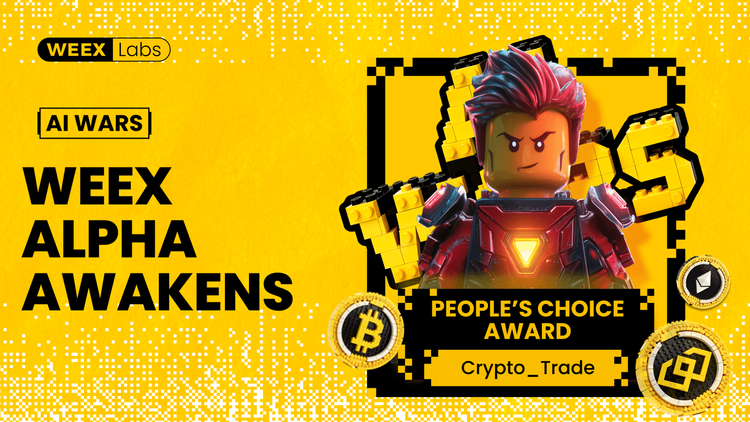
How a Structured AI Crypto Trading Bot Won at the WEEX Hackathon
Crypto_Trade shows how structured inputs and controlled adaptability can build a more stable and reliable AI crypto trading bot within the WEEX AI Trading Hackathon, highlighting a practical path toward scalable AI trading systems.


 App
App