
What Is B.AI? Justin Sun AI Relay Station for Claude and GPT

 Prefer us on Google



The AI subscription treadmill is spinning out of control. Anthropic released Claude Opus 4.7 on April 16, 2026, OpenAI shipped GPT-5.5 on April 23, and DeepSeek dropped V4 on April 24. Each launch makes yesterday subscription a sunk cost. This fatigue has fueled AI relay stations promising one API key for every model, yet most suffer from opaque routing, data harvesting, and downgrade scams.
B.AI, the blockchain-native AI relay station from TRON founder Justin Sun, solves this by offering anonymous, crypto-settled access to Claude, GPT, Gemini, and other LLMs via one API. It is not merely an aggregator. B.AI is economic infrastructure for autonomous AI agents, granting on-chain identities and programmable wallets for autonomous hiring, payment, and collaboration.
If you are new to cryptocurrency and need a reliable platform to buy TRX, USDT, or other digital assets to participate in ecosystems like B.AI, sign up on WEEX to get started. WEEX offers a secure, user-friendly environment for buying and trading crypto with low fees.
What Is B.AI
B.AI (AI Relay Station) is a concept centered on “multi-model collaboration.” It is often described as an AI infrastructure vision promoted by Justin Sun, whose core idea is to connect different large language models (such as GPT and Claude) within a unified orchestration layer, rather than relying on a single model. It functions like an “AI relay station” or intelligent router: when a user submits a query, the system does not immediately assign it to a fixed model. Instead, it first analyzes the task type, complexity, and context requirements, and then decides which model is most suitable. For example, tasks requiring long-context understanding or nuanced writing may be better handled by Claude, while tasks involving strong reasoning or code generation may be better suited for GPT. In this way, B.AI aims to combine the strengths of different models to produce more stable and higher-quality outputs than any single model alone.
How B.AI Works
Step 1: User Input
The process begins when a user submits a request, such as:
- “Write an essay”
- “Summarize a document”
- “Solve a coding problem”
At this stage, B.AI simply receives the raw input without assigning it to any specific model yet.
Step 2: Task Analysis
Next, the system analyzes the request to understand its nature. It evaluates factors such as:
- Type of task (writing, coding, reasoning, Q&A, etc.)
- Complexity level
- Required context length or depth of understanding
This step is commonly known as intent classification, where the system determines what the user actually needs.
Step 3: Model Routing (Core Function)
After understanding the task, B.AI decides which AI model is best suited to handle it. This is the core “relay” mechanism.
For example:
- GPT may be selected for strong reasoning, coding, or structured problem-solving
- Claude may be selected for long-form writing, summarization, or deep contextual analysis
- In some cases, multiple models may be triggered simultaneously
Step 4: Response Generation
The selected model or models generate responses based on the user’s input.
There are two possible operating modes:
- Single-model output: only one model responds with the final answer
- Multi-model output: several models generate responses in parallel
Step 5: Result Optimization
Finally, B.AI processes the generated outputs to produce the best possible answer. This may include:
- Filtering low-quality responses
- Comparing multiple outputs
- Merging or synthesizing answers
- Removing contradictions or inconsistencies
The system then returns the final optimized response to the user.
Why It Exists
Different AI models have different strengths:
- GPT → strong general reasoning, coding, structured answers
- Claude → strong long-context understanding, safety, writing quality
- Other models → may specialize in math, search, or domain tasks
B.AI’s idea is simple:Don’t force one model to do everything—use the best model for each task.
Justin Sun’s Vision Behind B.AI
Justin Sun’s vision behind B.AI is centered on the idea of turning artificial intelligence into a shared, interoperable infrastructure rather than isolated, competing systems. Instead of each AI model operating within its own closed ecosystem, B.AI reflects a belief that future intelligence should be networked and composable, where different models like GPT, Claude, and others can work together under a unified coordination layer. This approach mirrors ideas from the blockchain world—especially the concept of decentralization—where value and capability are not locked into a single provider but distributed across a broader system.
At a deeper level, the vision is about AI abstraction and accessibility. Justin Sun’s concept positions B.AI as a “relay station” that removes the complexity of choosing and managing different models manually. Users do not need to understand which AI is best for writing, coding, or reasoning—the system automatically routes tasks to the most suitable model and combines outputs when needed. This reflects a broader ambition: making AI feel like a seamless utility layer, similar to how the internet routes data without users needing to know the underlying servers. In this sense, B.AI is less about building another chatbot, and more about building a coordination layer for the entire AI ecosystem.
Conclusion
B.AI represents a bold attempt to merge artificial intelligence with blockchain infrastructure. By aggregating frontier models like Claude, GPT, and Gemini behind a single API key, and enabling autonomous AI agents with on-chain identity and payment capabilities, it lays the groundwork for the Web4 machine-driven economy.
Whether the future arrives as human-AI collaboration or full autonomy remains to be seen. What is certain is that B.AI is already reshaping how developers and crypto users access and interact with AI.
For those looking to trade crypto or explore the cryptoecosystem that powers B.AI, sign up on WEEX to buy and sell crypto with low fees and deep liquidity.
Latest Updates on WEEX
If you want to buy WXT now, you can sign up for a WEEX account.
Welcome Bonus from WEEX — Claim Up to 30,000 USDT! Join Now!
FAQ: B.AI (AI Relay Station)
1. What is B.AI?
B.AI is an AI orchestration concept often described as an “AI relay station.” It connects multiple large language models (such as GPT and Claude) through a unified system that routes user requests to the most suitable model instead of relying on a single AI.
2. How does B.AI work?
B.AI works in a pipeline:
- It receives a user request
- It analyzes the task type and complexity
- It selects the best AI model (or multiple models)
- It generates responses
- It may refine or combine outputs before returning the final answer
3. What is the main purpose of B.AI?
The main goal is to improve AI performance by combining strengths from different models. Instead of one AI doing everything, B.AI aims to use the best model for each task.
4. Which AI models does B.AI use?
In its conceptual description, B.AI may connect to models like GPT and Claude, and potentially other specialized AI systems in the future.
5. Why not just use one AI model?
Different AI models have different strengths. For example:
- Some are better at coding
- Some are better at long-form writing
- Some are better at reasoning
B.AI tries to combine these strengths instead of limiting users to one model’s capabilities.
6. Is B.AI a real product or a concept?
B.AI is primarily discussed as a conceptual framework or early-stage ecosystem idea, focused on multi-model AI coordination rather than a fully standardized, widely deployed product.
7. What makes B.AI different from ChatGPT or Claude?
ChatGPT and Claude are individual AI models. B.AI, on the other hand, is not a single model—it is a system that decides which model to use and how to combine their outputs.
Risk Disclaimer:This article is for informational purposes only and does not constitute financial, investment, or legal advice. B.AI is an emerging platform with evolving technology. There is no official B.AI token; users should beware of impersonation tokens on other chains. Cryptocurrency trading and AI infrastructure investments carry significant risk, including market volatility, regulatory changes, technical vulnerabilities, and potential loss of principal. Past performance does not guarantee future results. Always conduct your own research (DYOR) before making any investment decisions. WEEX does not endorse any specific project or token. Trade responsibly.
Disclaimer: This content is provided for general branding and informational purposes only and doesn't constitute financial, investment, legal, or tax advice. Any events, rewards, online events, or related information mentioned herein should not be considered a recommendation, solicitation, or invitation to purchase, sell, trade, or otherwise deal in any crypto assets or to use any services. Crypto assets are highly volatile and may result in loss. WEEX services and online events may not be available in all regions and are subject to applicable laws, regulations, and eligibility requirements. You are responsible for ensuring that your use of WEEX services complies with local laws and for carefully assessing the risks before participating in any crypto-related activities.
You may also like

W26 Crypto Scam or Legit? World Cup 2026 Token Explained
W26 Crypto Scam or Legit? Explore what W26 token is, its World Cup 2026 connection, price trend, risks, and whether the hype can drive future growth.
GDWR Crypto Scam or Legit? A Complete Risk Analysis
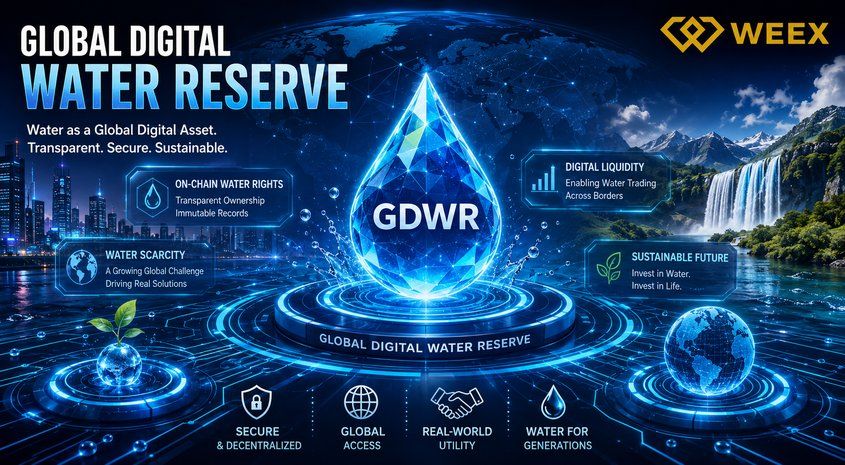
Is GDWR Crypto legit or a scam? Learn what Global Digital Water Reserve is, review its on-chain data, risk factors, and whether the project is backed by real-world water assets.

France vs Morocco Prediction Crypto Odds
France vs Morocco Prediction Crypto Odds explained. Learn how Polymarket market data, blockchain prediction markets, liquidity, and crypto odds work during FIFA 2026.

Where and How to Buy MSTR Futures: A Complete Trading Guide
Learn where and how to buy MSTR Futures, explore traditional stock access methods, and discover USDT-based MSTR price exposure through WEEX TradFi trading. Join the TradFi Trading Challenge for potential rewards.
How to Buy WXT Token: A Beginner’s Guide to WEEX Token Trading
WXT is the native platform token of the WEEX ecosystem. This beginner-friendly guide explains how to buy WXT on WEEX, what to check before trading, how to manage risk, and how users can review WXT’s role within the exchange ecosystem before placing an order.
Futu Penalty Shock Exposes Brokerage Risk — Why WEEX TradFi Fits Traders Who Want Faster Global Market Access
Futu stock falls after China penalty news. Learn why FUTU shares dropped, how the latest crackdown affects traders, and why WEEX TradFi offers USDT-margined access to stocks, gold, oil, forex, and indices in one account.
How to Buy COAR Crypto and When to Sell for Maximum Gains
Learn how to buy COAR Crypto safely on Solana. Read our expert guide on the speculative Chinese Oil Asset Reserve coin and discover strategic buy and sell points.
How to Buy Mom Trust Fund Reserve (MTFR): Legit Opportunity or High-Risk Trap?
Is MTFR Coin a legit opportunity or a high-risk trap? Read our Mom Trust Fund Reserve buying guide to analyze real on-chain data, liquidity, and key risks.
How to Buy Chinese Oil Asset Reserve (COAR) Token in 2026: Latest Step-by-Step Guide, Contract Address, and Safe Buying Tips
How to buy Chinese Oil Asset Reserve (COAR) token step by step, including the official COAR contract address, Solana wallet setup, SOL funding, and latest market data.
How to Buy $WCOR Coin: Should I Invest or Is It Just Hype?
Learn how to buy $WCOR coin on Solana and explore its latest 57% price surge. This expert guide analyzes whether WCOR is a solid investment or speculative hype.
How to Buy Global Digital Oil Reserve ($GDOR): Is It Legit or Just Hype?
Learn how to buy Global Digital Oil Reserve (GDOR) on the Solana network. This comprehensive guide covers step-by-step swap instructions, official contract verification, and a critical look at the "digital oil" narrative.
What Is Global Digital Oil Reserve (GDOR) Coin? Can It Really Explode Like GDER?
What is GDOR crypto? This guide explains its token data, missing fundamentals, and why it is unlikely to replicate explosive tokens like GDER.
GMAR vs SDR: Which Solana Meme Coin Wins?
Compare GMAR vs SDR: Which Solana defense meme coin is the better trade? Explore market caps, liquidity, and risks of Global Military Arms Reserve and Strategic Defense Reserve.

Should You Sell Your Shiba Inu for XRP? A 2026 Market Analysis
Explore the 2026 showdown between Shiba Inu and XRP. Analyze the mathematical reality of SHIB hitting $1, the impact of XRP ETF inflows, and whether you should swap your meme coins for institutional utility tokens.
How to Buy GDER Crypto Safely: Contract Address, Risks, and Red Flags Explained
How to buy GDER crypto safely? Learn the official contract address, unverified-token risks, red flags, market data checks, and the safest way to verify Global Digital Energy Reserve before trading.
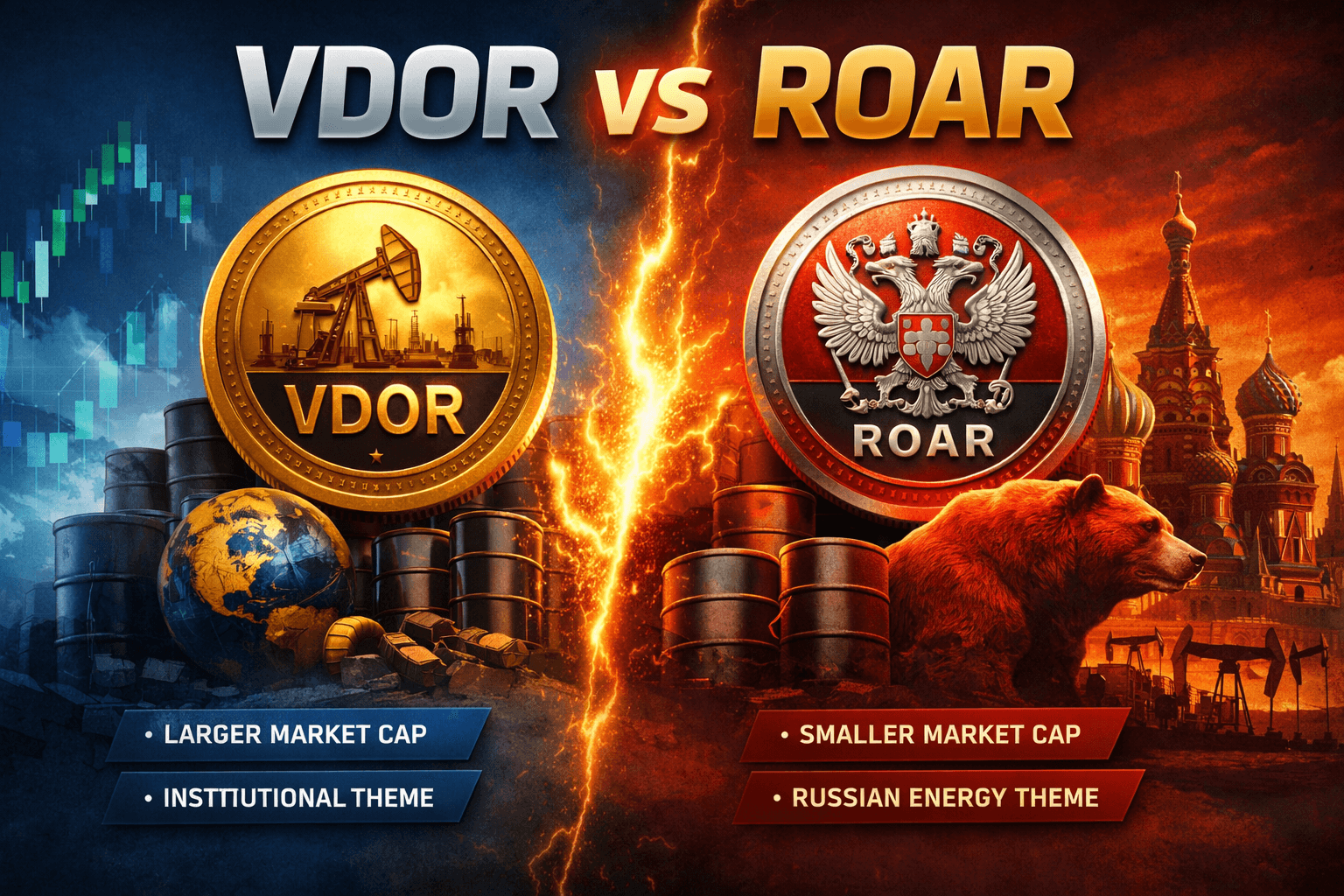
GDER vs VDOR: Are Global Digital Energy Reserve and Vanguard Digital Oil Reserve the Same Token? 5 Minutes to Know All
GDER vs VDOR explained. Are Global Digital Energy Reserve and Vanguard Digital Oil Reserve the same token? Learn the contract address, market confusion, verification risks, and what investors should check.
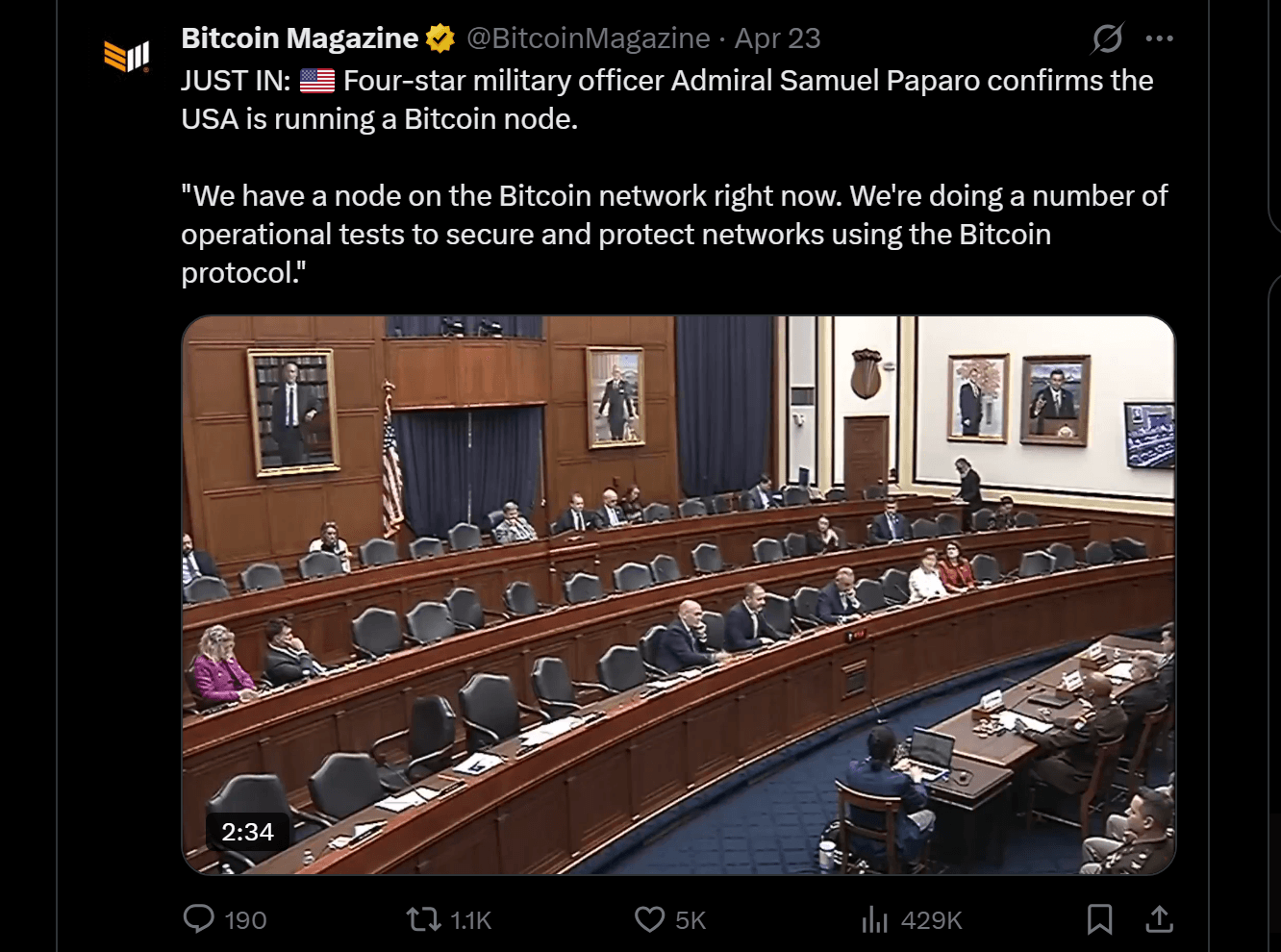
How Bitcoin Became a Key Asset in US National Security Strategy
Explore how Admiral Samuel Paparo’s 2026 testimony redefined the Bitcoin military application. Learn why the Pentagon is running an INDOPACOM Bitcoin node to leverage Proof of Work national security for cyber defense and power projection.
Can Bitcoin (BTC) Break $100K Again as US Military Runs a Bitcoin Node?
Explore how the US military’s Bitcoin node and institutional ETF demand are shaping the path to $100K. Analyze the new geopolitical narrative for BTC price.
Will USOR(U.S Oil) Still Rise if the USA and Iran Conflict Continues? Latest USOR Price Analysis and 2026 Outlook
Will USOR still rise if the USA and Iran conflict continues? Read the latest USOR price analysis, oil market outlook, Strait of Hormuz impact, and 2026 USOR price prediction.

Will USOR(U.S Oil) Still Rise if the USA and Iran Conflict Continues? Latest USOR Price Analysis and 2026 Outlook
Will USOR still rise if the USA and Iran conflict continues? Read the latest USOR price analysis, oil market outlook, Strait of Hormuz impact, and 2026 USOR price prediction.

rsETH vs WETH vs ETH: Lessons from Aave’s $195M Bad Debt Crisis
Explore the definitive comparison of rsETH vs WETH vs ETH. Analyze the Aave $195M bad debt crisis and the Kelp DAO bridge exploit to understand the specific risks associated with Liquid Restaking Tokens (LRTs). Learn how SparkLend’s proactive risk management saved millions and discover how to navigate DeFi safety in a complex multi-layered ecosystem.
Aave rsETH Losses vs Spark Safety: A Risk Management Study
Analyze the $195M Aave rsETH bad debt event vs. SparkLend’s zero-loss safety. Understand the DeFi risk management strategies, oracle security, and the impact of cross-chain bridge exploits on Liquid Restaking Tokens.
Hong Kong Crypto Fraud: $840K Lost to Fake Crypto Experts
A 66-year-old Hong Kong retiree lost $840,000 to fake crypto experts on WhatsApp. Learn the 5 warning signs of crypto investment scams and how to protect your savings.

Fed Rate Decision March 2026: How It Could Impact Stocks and Your Portfolio
The Fed rate decision arrives tonight. Learn how the March 2026 Fed meeting could move stocks, bonds, and sectors—and what to watch in Powell's speech.
What Is the Difference Between OTC and Exchange Crypto?
What is the difference between OTC and exchange crypto? Learn why WEEX OTC Quick Buy is the best choice for new users. Enjoy 0 fees, secure fiat deposits, and earn up to 156U in rewards during our limited-time event.
Is XAUT a Good Long-Term Investment? Evaluating Digital Gold in 2026
Is XAUT a good long-term investment? Explore the 2026 outlook for Tether Gold, its physical backing in Swiss vaults, and how to build a position with zero fees on WEEX.
Moltbook Current Status February 2026: The Rise of Moltbook Coin and the AI Agent Revolution
Stay updated on the Moltbook current status February 2026. Explore Moltbook Coin (MOLT) market data, security trends, and the 1.6 million AI agent network driving the latest MOLT Crypto price surges.
Will Stablecoins Replace Traditional Payments in 2026? USDT and USDC Latest Trends
With the stablecoin market cap exceeding $305 billion, will they finally replace traditional payments in 2026? This report analyzes the latest USDT vs. USDC trends, institutional adoption, and the rise of AI-driven on-chain settlements.
How to Buy Bitcoin on WEEX Exchange: Your Ultimate Guide to Purchasing Bitcoin
How to Buy Bitcoin on WEEX Exchange
U.S. Stablecoin Regulation Explained: How the U.S. GENIUS Act Reshapes Crypto Markets
The U.S. GENIUS Act marks the end of blockchain market’s “Wild West” era, transforming dollar-backed digital assets from speculative experiments into regulated pillars of the financial system. By replacing ambiguity with a bank-grade framework, Washington isn’t just setting rules — it is laying the foundation for the next wave of institutional adoption.
W26 Crypto Scam or Legit? World Cup 2026 Token Explained
W26 Crypto Scam or Legit? Explore what W26 token is, its World Cup 2026 connection, price trend, risks, and whether the hype can drive future growth.
GDWR Crypto Scam or Legit? A Complete Risk Analysis
Is GDWR Crypto legit or a scam? Learn what Global Digital Water Reserve is, review its on-chain data, risk factors, and whether the project is backed by real-world water assets.
France vs Morocco Prediction Crypto Odds
France vs Morocco Prediction Crypto Odds explained. Learn how Polymarket market data, blockchain prediction markets, liquidity, and crypto odds work during FIFA 2026.
Where and How to Buy MSTR Futures: A Complete Trading Guide
Learn where and how to buy MSTR Futures, explore traditional stock access methods, and discover USDT-based MSTR price exposure through WEEX TradFi trading. Join the TradFi Trading Challenge for potential rewards.
How to Buy WXT Token: A Beginner’s Guide to WEEX Token Trading
WXT is the native platform token of the WEEX ecosystem. This beginner-friendly guide explains how to buy WXT on WEEX, what to check before trading, how to manage risk, and how users can review WXT’s role within the exchange ecosystem before placing an order.
Futu Penalty Shock Exposes Brokerage Risk — Why WEEX TradFi Fits Traders Who Want Faster Global Market Access
Futu stock falls after China penalty news. Learn why FUTU shares dropped, how the latest crackdown affects traders, and why WEEX TradFi offers USDT-margined access to stocks, gold, oil, forex, and indices in one account.

Contents
Latest articles



Latest coin listings on WEEX


